How to clean a sewer pipe
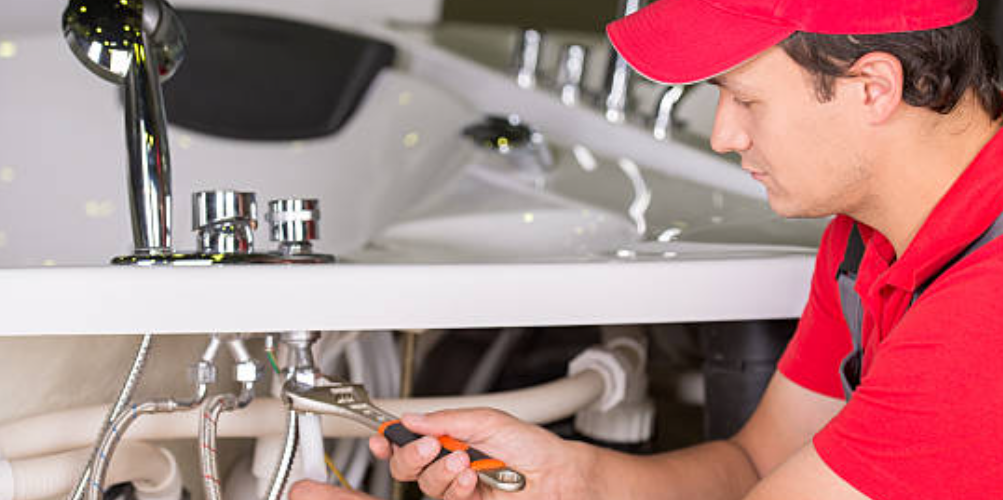
Sewer pipes tend to get clogged, and this happens in various sanitary appliances. Most often, clogs are formed in old systems that have not been changed for a long time, but even new sewers require periodic cleaning. The thing is that it is used on a constant basis, so it is logical that something gets there and is deposited on the inner walls of the pipes.
The fact that something is wrong with your sewage system is indicated by slow draining or stagnation of water, the appearance of a sharp, unpleasant smell, as well as an increase in the level of liquid in the toilet, bathroom or sink. These are symptoms of clogging, which you can try to break through yourself or entrust this task to professionals. The Trubolub company provides comprehensive cleaning services that provide a truly high-quality result.
In this article, we will discuss how to clean the sewer pipe using effective and simple methods at home.
Content:
- Causes of clogging in the sewer
- How to care for pipes so that they are less polluted
- Overview of methods for self-cleaning pipes
- Chemistry for cleaning the sewage system
- Using improvised means to remove shallow blockages
- Cleaning pipes with a plunger
- How to properly clean a blockage with a plumbing cable
- Results
Causes of clogging in the sewer
Clogging can sometimes occur in the pipes, and they interfere with the normal functioning of the system. This is a common phenomenon not only for private houses, but also for apartments. The reasons for traffic jams can be banal and obvious, but this is not always the case. It is possible to find out exactly what is inside the sewer pipe and what is obstructing the passage of liquid with the help of professional video diagnostics.
Let’s analyze what can most often clog the sewer:
- Items of personal hygiene . Ironically, even toilet paper can cause a blockage, because it sticks to the walls of the pipes, hardens and reduces the passage over time. Wet wipes, cotton pads, cotton buds, sanitary napkins are a disaster for the sewer, because they are made of non-degradable materials. That is why it is important to have a special capacity for such waste and in no case flush it down the toilet.
- Any foreign objects . For example, those that could end up in the pipes by accident. Plumbers have repeatedly pulled out jewelry, children’s toys, electronic gadgets, and more. This instantly clogs the drain and can lead to an accident.
- Construction waste . Often, during repair, sewer pipes are severely violated operating rules. The remains of construction materials are poured into the toilet or sink, and they are very quickly deposited on the inner walls and harden there.
- Toilet filler for animals . It also cannot be flushed down the drain for the same reason. Most fillers are made on the basis of materials that concrete or swell when interacting with a liquid.
- Food waste and fat . This type of waste forms a grease plug that is difficult to clean. It also sticks to pipes, mixes with bits of food and other small debris, eventually reducing their flow capacity.
- Animal hair and fur . They get inside the system during its normal use, and this type of clogging refers to operational clogging. The hair is dangerous because it winds up on the siphon, tangles with each other, forming tangles, and gets stuck there.
- System malfunctions, errors during installation . If mistakes were made during installation, the sewage system will constantly suffer from pollution. The problem can be solved only by the hands of professionals who will fix malfunctions or install everything anew.
There are other reasons, such as, for example, the formation of lime scale in the pipes, the sprouting of tree roots, etc. We discussed the most common causes of water stagnation in a plumbing fixture.
How to care for pipes so that they are less polluted
As you understood from the previous list, it is quite easy to clog the sewer. But it is enough to know and follow the rules of operation to avoid most of them. For those blockages that contaminate the pipes gradually, preventive measures are applied during their use.
From the rules, you need to learn the main thing – do not throw into the sewer what is intended for the trash can. Try to drain only liquid waste, and collect fat after cooking in special containers and then dispose of it in special organizations.
Prevention includes a set of measures to prevent sewage clogging. For example, the installation of a grease trap, nets on sinks and bathroom drains. You can also include all the cleaning methods that we will discuss below. We especially recommend using folk methods for these purposes, as they are safe for people and the pipeline.
You need to clean the system regularly, once a week or at least several times a month. This will help to effectively remove the layer that managed to settle on the pipes, as well as keep them clean and functional for longer.
Overview of methods for self-cleaning pipes
Before you call a plumber, you should try to figure it out yourself. Therefore, we will discuss how to clean the sewer pipe using simple methods.
For each type of pollution, there is an effective method, and this must be taken into account. For example, a foreign object stuck in the system cannot be penetrated by a chemical or folk method, because it will not be able to dissolve it.
Let’s briefly go over what cleaning methods are widely used:
- Chemical, that is, the use of purchased drugs for cleaning the sewers.
- Handy tools, or folk method – soda, vinegar and boiling water.
- Mechanical tools for cleaning blockages are a plunger and a plumbing cable.
Each of these methods has its advantages and disadvantages, but it is better to take note of all of them in order to combine them and also test the performance in your case.
Chemistry for cleaning the sewage system
You can easily find a pipe cleaner at any hardware store. It is sold in three forms: gel, powder or liquid, and therefore may have slight differences in application. It is necessary to work with the purchased drug only in rubber gloves, since it can cause a chemical burn if it gets on the skin.
It is quite simple to add the product to a dry drain (if it is a powder, then add another glass of water), wait an average of 10-15 minutes, and then wash it off with a large volume of running water from the tap. In this way, fat clogs in the kitchen are well cleaned, and at the same time, they get an additional effect of disinfection. Also, this method can get rid of tangles of hair and wool that create problematic blockages.
Instructions are attached to each product, please follow them carefully. After use, the room should be well ventilated.
Using improvised means to remove shallow blockages
There are many options for using improvised means, but we will analyze one, the most popular and most effective – a mixture of soda, vinegar and boiling water. The method is completely ecological, safe, and the cheap ingredients are most likely in your home. You will need half a pack of baking soda and half a glass of 9% vinegar.
How to clean pipes with soda and vinegar:
- Add soda to the drain first, then vinegar, and then a violent chemical reaction should begin.
- It is recommended to plug the drain with a cloth or cork.
- Wait 20-30 minutes, boil a kettle of water at the same time.
- Open the drain and pour boiling water from the kettle into it.
Please note that you can clean a cast iron pipe with boiling water, but plastic pipes are deformed. For PVC systems, washing at the final stage of cleaning is simply done with hot water from the tap for 5 minutes.
The method is very simple and does not require interaction with the blockage, but it is not always effective. It is most suitable for dissolving shallow blockages, organic debris and grease. It can be combined with other methods to improve the result.
Cleaning pipes with a plunger
Everyone should have a plunger in the house, because it is a simple tool with which you can quickly break through blockages. When movements are made with the handle, air is pumped inside under the rubber cup, so a small hydraulic shock is produced, which pushes out or crushes the debris.
The bowl is placed on the drain hole, for greater efficiency of actions, water is collected slightly above the edges of the bowl. Then, with reciprocating movements, we inflate and release the air to check how the water flows. It is necessary to repeat the procedure until the cork is completely destroyed, so that the water flows unhindered. If it does not help, we begin to move on to the next method.
How to properly clean a blockage with a plumbing cable
When you need to pull a foreign object out of the pipe or break up a blockage that is in a hard-to-reach place – the rope will cope with the task perfectly!
How to use the rope step by step:
- To begin with, you need to clear the path of the tool to the pipeline – for this, dismantle the siphon, if the sink is being cleaned.
- Insert the plumbing cable by turning the knob sideways clockwise. This should be done carefully.
- Move the tool until it finds the possible location of the plug.
- To check it, make a few jerks forward, if the cable does not move further, then it has rested on a blockage.
- Depending on the type of tip and the origin of the obstruction in the pipe, you can try to hook and pull the object, split it and pull it out piece by piece, or push it further.
- After the procedure, the siphon is mounted in place.
- The pipeline is washed with a large amount of running water.
- You can also do additional cleaning with soda and vinegar to eliminate unpleasant odors.
Results
Sewer pipes are cleaned of uncomplicated clogging by chemical, folk and mechanical methods, but it happens that they do not help. In this case, you should contact Trubolyub for professional help . Our specialists use a hydrodynamic method for high-quality cleaning of pipelines of any degree of contamination. It is guaranteed to bring a good result, restores the normal operation of the system and cleans the surface of the pipes from the inside.