Top Anti-Inflammatory Food List to Boost Wellness

Chronic inflammation is a silent alarm bell ringing in your body. While short-term inflammation helps you heal from a cut or fight off a virus, long-term inflammation is a different story. It simmers beneath the surface, often undetected, and has been linked to major health issues like heart disease, diabetes, and arthritis. The good news is that you have a powerful tool to fight back right in your kitchen.
What you eat can either fan the flames of inflammation or help put them out. Shifting your diet toward anti-inflammatory foods isn’t just about avoiding illness; it’s about reclaiming your energy, improving your mood, and feeling vibrant every day. This guide breaks down the most potent anti-inflammatory foods into easy-to-understand categories so you can start boosting your wellness today.
Fruits: Nature’s Sweet Defenders
Fruits are packed with fiber and antioxidants, specifically a group called polyphenols, which are fantastic at reducing inflammation.
Berries
Strawberries, blueberries, raspberries, and blackberries are tiny nutritional powerhouses. They get their vibrant colors from anthocyanins, antioxidants that have been shown to reduce inflammation and boost immunity.
- Why they help: They lower markers of inflammation in the blood and protect your cells from damage.
- How to eat them: toss a handful into your morning oatmeal, blend them into a smoothie, or enjoy them as a fresh dessert.

Cherries
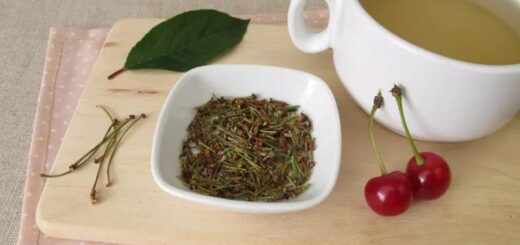
Both sweet and tart cherries are excellent choices. Studies suggest that cherries can reduce C-reactive protein (CRP), a key marker of inflammation used by doctors to assess heart disease risk.
- Why they help: Rich in antioxidants like catechins and flavonols, they are particularly known for soothing muscle soreness and joint pain.
- How to eat them: Enjoy a bowl of fresh cherries in season or drink tart cherry juice (just watch the sugar content).
Grapes
Grapes contain resveratrol, a compound found in the skin of red grapes that has garnered attention for its heart-health benefits.
- Why they help: Resveratrol helps reduce inflammation and may protect the heart and brain against oxidative stress.
- How to eat them: Freeze them for a refreshing snack or add sliced grapes to a chicken salad.
Vegetables: The Green (and Orange) Guardians
Vegetables are the cornerstone of an anti-inflammatory diet. They provide essential vitamins, minerals, and phytonutrients that help your body function optimally.
Leafy Greens
Spinach, kale, collard greens, and Swiss chard are loaded with vitamins A, C, E, and K. They essentially act as a multivitamin grown from the earth.
- Why they help: Their high concentration of antioxidants and phytochemicals helps cellular repair and reduces oxidative stress.
- How to eat them: Sauté spinach with garlic, massage kale for a salad, or blend chard into a green soup.

Cruciferous Vegetables
Broccoli, cauliflower, and Brussels sprouts are part of the cruciferous family. They are rich in sulforaphane, an antioxidant that reduces cytokine levels and helps fight inflammation.
- Why they help: They support the body’s detoxification processes and block enzymes that cause joint destruction.
- How to eat them: Roast broccoli florets until crispy, shred Brussels sprouts for a slaw, or use cauliflower rice as a base for stir-fries.
Tomatoes
Tomatoes are rich in lycopene, an antioxidant with impressive anti-inflammatory properties.
- Why they help: Lycopene is especially effective at reducing inflammation in the lungs and throughout the body. Interestingly, cooking tomatoes in olive oil maximizes the amount of lycopene you absorb.
- How to eat them: Make a homemade tomato sauce, roast cherry tomatoes, or enjoy a classic Caprese salad.
Healthy Fats: The Oil Change Your Body Needs
Not all fats are created equal. Swapping out saturated fats and trans fats for healthy omega-3s and monounsaturated fats is crucial for calming inflammation.
Fatty Fish
Salmon, sardines, mackerel, and anchovies are the best sources of omega-3 fatty acids (EPA and DHA).
- Why they help: Omega-3s are directly anti-inflammatory. Your body metabolizes them into compounds called resolvins and protectins, which have powerful effects on ending inflammation.
- How to eat them: Aim for 2 servings of fish per week. Bake salmon with lemon, grill sardines, or add anchovies to a Caesar dressing.
Avocados
Avocados are packed with potassium, magnesium, fiber, and heart-healthy monounsaturated fats.
- Why they help: They contain carotenoids and tocopherols, which are linked to reduced cancer risk and lower inflammation in young skin cells.
- How to eat them: Smash onto toast, slice into salads, or blend into a creamy dressing.
Extra Virgin Olive Oil
This is a staple of the Mediterranean diet, one of the most studied anti-inflammatory eating patterns in the world.
- Why they help: It contains oleocanthal, an antioxidant that has an effect similar to anti-inflammatory drugs like ibuprofen.
- How to eat them: Use it as your primary cooking oil for low heat, or drizzle it over finished vegetables and salads.
Spices and Beverages: Potent Flavor Boosters
Sometimes the smallest ingredients pack the biggest punch. Spices and certain drinks are concentrated sources of anti-inflammatory compounds.
Turmeric
This bright yellow spice contains curcumin, a powerful anti-inflammatory nutrient.
- Why it helps: Curcumin helps reduce inflammation related to arthritis, diabetes, and other diseases. Note that it is best absorbed when eaten with black pepper.
- How to eat it: Add it to curries, roasted vegetables, or make “golden milk” with warm almond milk and honey.
Green Tea
Green tea is one of the healthiest beverages you can drink. It’s full of epigallocatechin-3-gallate (EGCG).
- Why it helps: EGCG inhibits inflammation by reducing pro-inflammatory cytokine production and damage to the fatty acids in your cells.
- How to drink it: Swap your second cup of coffee for a cup of green tea or matcha.

Dark Chocolate and Cocoa
Yes, chocolate can be good for you! Dark chocolate (at least 70% cocoa) is packed with antioxidants.
- Why it helps: Flavanols in cocoa improve the health of the endothelial cells that line your arteries, reducing inflammation and lowering blood pressure.
- How to eat it: Enjoy a square or two of high-quality dark chocolate as an after-dinner treat.
Start Your Anti-Inflammatory Journey Today
Transforming your health doesn’t have to happen overnight. You don’t need to purge your pantry immediately or follow a restrictive diet plan that leaves you hungry. Instead, focus on addition rather than subtraction.
Pick one or two foods from this list to add to your grocery cart this week. Maybe you sprinkle blueberries on your yogurt tomorrow morning, or perhaps you decide to cook with olive oil instead of butter for dinner. Small, consistent changes add up to massive results over time. By feeding your body these healing foods, you are actively choosing wellness, energy, and longevity.