What is L Carnitine and What Does It Do? Benefits, Harms, Usage

L Carnitine: Fat-Burning and Energizing Amino Acid
Those who spend time in gyms, want to burn fat and lose weight, and increase muscle mass are well acquainted with L carnitine fat burning support. L Carnitine, a type of amino acid that can be taken into the body through food and synthesized naturally, entered the world of athletes in the late 1980s in the form of a food supplement.
What is L carnitine, which transports fatty acids to the mitochondria and converts them into energy and has natural fat burning properties? What are its effects on health and sports performance? In this content, we have discussed the most frequently asked questions about L Carnitine for you. We wish you pleasant reading.
Get support from a specialist doctor for the most accurate information and healthy results. The information contained in our content does not constitute a prescription. We wish you healthy days…
What is L Carnitine?
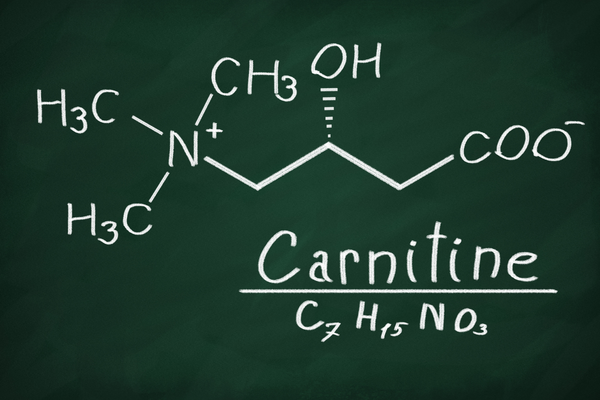
L-carnitine is a type of amino acid and is synthesized naturally in the body or can be supplied to the body through foods. L Carnitine enables the transport of long chain fatty acids from the cytoplasm to the mitochondria. Mitochondria undertake the energy production of cells. It is produced in the body in the liver and kidneys; It is stored in muscles.
L-carnitine contributes to energy production by transporting fatty acids into the cell and through oxidative phosphorylation (a method used in ATP synthesis) into the mitochondria. This process is indicative of the fat-burning and energizing function of L carnitine. L carnitine may support muscle function and maintenance of muscle mass .
L carnitine, shown as an amino acid, is not actually an amino acid at all. L carnitine, which is very related to B vitamins , can actually be referred to as a type of vitamin. Vitamin L Carnitine, produced in the liver and kidneys, is stored in certain parts of the body. It is used by the body in sports and activities that require energy expenditure. When many foods are examined, it is observed that they contain vitamin Carnitine.
What Does L Carnitine Do?
L Carnitine is a type of amino acid that provides energy to the body; It can be taken from outside through food and the body can synthesize this amino acid itself. Mitochondria, the energy center of cells, produce adenosine triphosphate (ATP) to meet the body’s energy needs .
The main function of L-carnitine is to transport long-chain fatty acids across the cell membrane and into the mitochondria. Fatty acids are an important source of energy for the body; However, they must be oxidized into energy within the mitochondria. In addition, L-carnitine has antioxidant properties and can reduce oxidative stress in cells.
We can summarize your question about what L carnitine does and what its functions are with the following items:
- It carries fatty acids to the mitochondria.
- It enables the conversion of fat into energy during long-term exercises.
- It strengthens muscles and supports the development of muscle mass.
- Thanks to its antioxidant properties, it protects the health of cells.
- It has positive effects on cardiovascular health; It has been observed that it balances blood pressure.
How to Use L Carnitine?
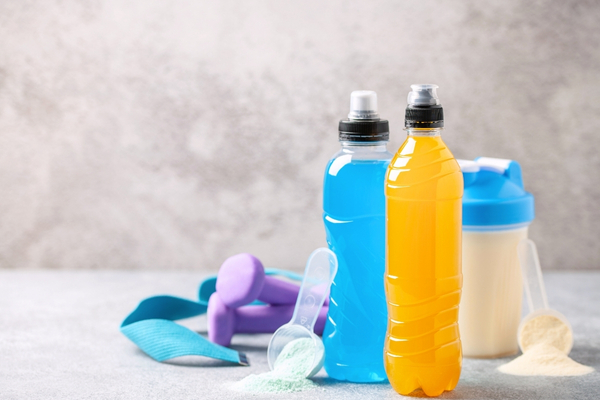
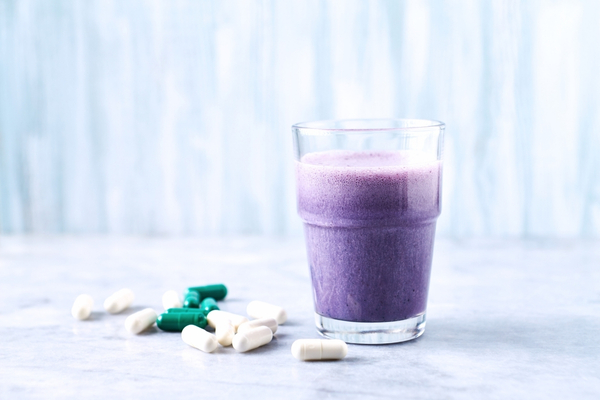
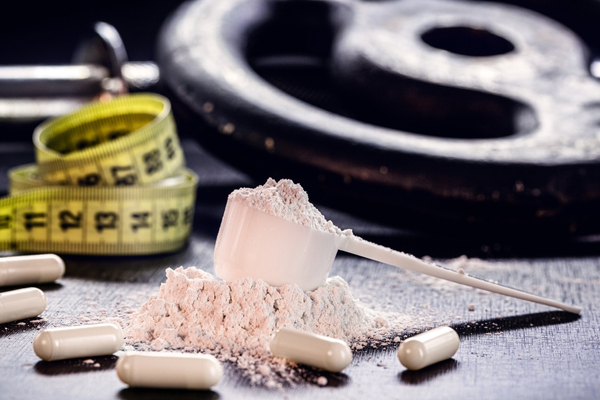
Those who are in the process of regular sports and muscle building can use L-Carnitine as a supplement at a controlled level if there is a need in addition to the nutrition process . Using L carnitine is quite simple. To provide supplements, you can purchase them from reliable brands in the form of capsules, powder, tablets or liquid supplements. You can choose L carnitine boxes from private companies in centers selling sports equipment. L carnitine, produced in the form of small serums, is sold in a form that can be consumed within seconds.
Healthy adults who do not use any chronic medication can consume 2-3 grams of L carnitine daily , accompanied by 20-40 grams of protein and 30-40 grams of carbohydrates ; It is suggested that supplements in tablet, capsule or powder form can be consumed directly with plenty of water, while liquid supplements can be consumed directly.
Consuming L carnitine together with carbohydrates or carbohydrate-containing foods can increase its effect. It is known that L carnitine supplements consumed when the amount of insulin is high are effective.
You can pay attention to these tips when using L carnitine supplements:
- Appropriate dosage adjustment and continuity are important in the use of L carnitine.
- Consuming L carnitine with carbohydrate and protein source foods can lead to optimal results.
- You can get support from a nutritionist to adjust the correct dose.
- To get the desired results from L carnitine, it needs to be used regularly for several weeks or months.
If you have a chronic disease or a regular medication, you should only start using it under the supervision of a healthcare professional.
When to Use L Carnitine?
L carnitine supplements can increase the efficiency of exercise when used consciously and under expert supervision. Therefore, you can choose it before or after exercise. In this regard, it is not correct to specify an exact time interval, since people’s bodies and the intensity and type of exercise they perform vary.
Depending on the content of the L carnitine supplement, you can use it before or after exercise. Since caffeine improves the quality of exercise, caffeine-containing L carnitine supplements can be preferred before exercise.
L carnitine supplements are commonly used in the following situations:
- Increasing exercise performance,
- Increasing muscle mass and/or strengthening existing muscles,
- Supporting fat burning,
- Making weight loss easier,
- Protecting cell health,
- L carnitine is preferred to protect cardiovascular health.
Is L Carnitine Harmful?
- While L carnitine has benefits, it may also have side effects and harms. These damages may occur when taken for a long time and in high doses. It is essential to avoid unconscious use.
- If you take too much L carnitine, you may experience stomach pain and nausea.
- L carnitine, which generally has no side effects, may be harmful to sensitive bodies.
- People who use chronic medication should consult their doctor before taking L carnitine. It is likely to interact with medications.
- Those who want to take L carnitine during pregnancy must get approval from the doctor who is monitoring the birth process. Since each body is different, side effects may vary from person to person.
- Continuing to use L carnitine for more than 6 months may cause arteriosclerosis.
What are the Benefits of L Carnitine?
- They enable the body to use fats as energy . Thus, they support fat burning.
- Since it will contribute to high ATP production during exercise, there will be less fatigue.
- It balances blood sugar. L carnitine consumed with carbohydrates balances the glucose in the blood and prevents blood sugar from rising.
- It protects the health of muscles. It helps to produce muscle cells more efficiently.
- L carnitine, which accelerates blood flow, helps release energy. It can help you exercise without feeling tired .
Scientific Studies About the Benefits of L Carnitine
Exercise Performance and Endurance
Many studies suggest that L-carnitine supplements can improve exercise performance and increase endurance. It was observed that participants taking L-carnitine supplements exhibited better endurance, especially during long-term exercises.
[Source: Volek, JS, Kraemer, WJ, Rubin, MR, Gómez, AL, Ratamess, NA, & Gaynor, P. (2002). L-carnitine L-tartrate supplementation favorably affects markers of recovery from exercise stress. American Journal of Physiology-Endocrinology and Metabolism, 282(2), E474-E482.]
Fat Metabolism and Fat Loss
Some research suggests that L-carnitine supplements may increase fat loss by supporting fat metabolism. It has been observed that individuals taking L-carnitine supplements have increased fat burning capacity with exercise.
[Source: Villani, RG, Gannon, J., & Self, M. (2000). L-Carnitine supplementation combined with aerobic training does not promote weight loss in moderately obese women. International journal of sport nutrition and exercise metabolism, 10(2), 199-207.]
Muscle Functions and Muscle Mass
Some research suggests that L-carnitine supplements may help maintain muscle function and muscle mass. It has been shown that L-carnitine supplementation can improve muscle function and physical performance, especially in older adults.
[Source: Malaguarnera, M., Cammalleri, L., Gargante, M.P., Vacante, M., Colonna, V., & Motta, M. (2007). L-Carnitine treatment reduces severity of physical and mental fatigue and increases cognitive functions in centenarians: a randomized and controlled clinical trial. The American journal of clinical nutrition, 86(6), 1738-1744.]
Antioxidant Effect and Cellular Health
Some research suggests that L-carnitine supplements have antioxidant properties and may protect cellular health. It has been observed that oxidative stress decreases and cellular health improves in individuals taking L-carnitine supplements.
[Source: Calabrese, V., Ravagna, A., Colombrita, C., Scapagnini, G., Guagliano, E., Calvani, M., … & Butterfield, DA (2005). Acetylcarnitine induces heme oxygenase in rat astrocytes and protects against oxidative stress: involvement of the transcription factor Nrf2. Journal of neuroscience research, 79(4), 509-521.]
Cognitive Functions and Reducing Fatigue
“L-Carnitine treatment reduces severity of physical and mental fatigue and increases cognitive functions in centenarians: a randomized and controlled clinical trial”
This study examined the effects of L-carnitine supplementation on physical and mental fatigue. Results showed that L-carnitine supplementation reduced fatigue and increased cognitive function.
[Source: Malaguarnera, M., Cammalleri, L., Gargante, M.P., Vacante, M., Colonna, V., & Motta, M. (2007). L-Carnitine treatment reduces severity of physical and mental fatigue and increases cognitive functions in centenarians: a randomized and controlled clinical trial. The American journal of clinical nutrition, 86(6), 1738-1744.]
These studies suggest that L-carnitine supplements may have several benefits; however, more research is needed. Before taking L-carnitine supplements, it is important to consult a healthcare professional and follow recommended dosages.
Does L Carnitine Help You Lose Weight?
L carnitine has a great effect on fat burning. It helps burn calories as it will give the person high energy before exercise. L carnitine is not a direct slimming product. If you have a healthy diet and do effective exercise; It can accelerate the slimming process. It would not be right to expect to lose weight just by drinking L carnitine. To lose weight, it is recommended that you review the food list and exercise regularly.
Studies on the fat-burning and weight-loss-facilitating properties of L carnitine supplements are compiled below:
“Effect of L-carnitine on weight loss and body composition of rats fed a hypocaloric diet”
In this study, mice were placed on a hypocaloric diet and the effects of L-carnitine supplementation on weight loss and body composition were examined. Results showed that L-carnitine supplementation increased weight loss and reduced body fat percentage.
[Source: Muller, DM, Seim, H., Kiess, W., Loster, H., Richter, T. (2002). Effect of L-carnitine on weight loss and body composition of rats fed a hypocaloric diet. Annals of Nutrition and Metabolism, 46(5), 205-210.]
“Effect of oral L-carnitine supplementation on insulin sensitivity indices in response to glucose feeding in lean and overweight/obese men”
This study examined the effects of L-carnitine supplementation on insulin sensitivity. Results showed that L-carnitine supplementation increased insulin sensitivity and improved glucose tolerance.
[Source: Stephens, FB, Evans, CE, Constantin‐Teodosiu, D., & Greenhaff, PL (2006). Effect of oral L‐carnitine supplementation on insulin sensitivity indices in response to glucose feeding in lean and overweight/obese men. AJP: Endocrinology and Metabolism, 291(2), E261-E268.]
These studies suggest that L-carnitine supplements may have positive effects on weight loss and fat burning. However, more research is needed to draw clear conclusions, and it is important for individuals to consult with their healthcare provider before taking supplements.
How Does L Carnitine Affect Sports Performance?
Durability and Performance Increase
One study showed that athletes who supplemented with L-carnitine were able to last up to 11% longer .
[Source: Karlic, H., & Lohninger, A. (2004). Supplementation of L-carnitine in athletes: does it make sense? Nutrition, 20(7-8), 709-715.]
Fat Metabolism and Fat Burning
In a study, it was stated that the fat burning capacity of athletes taking L-carnitine supplements increased by 55% .
[Source: Villani, RG, Gannon, J., & Self, M. (2000). L-Carnitine supplementation combined with aerobic training does not promote weight loss in moderately obese women. International journal of sport nutrition and exercise metabolism, 10(2), 199-207.]
A 10-12% increase in fat burning rates has been observed with L-carnitine supplementation .
[Source: Muller, DM, Seim, H., Kiess, W., Loster, H., Richter, T. (2002). Effect of L-carnitine on weight loss and body composition of rats fed a hypocaloric diet. Annals of Nutrition and Metabolism, 46(5), 205-210.]

What are the foods that contain L Carnitine?
Before turning to L carnitine supplements, you can add food groups with high L carnitine content to your daily diet. L carnitine is found mostly in red or white meat or animal foods. People on a vegan diet can meet their L-carnitine needs, albeit slightly, from avocados, oilseeds or green leafy vegetables.
By talking to a nutritionist about your sports routines, you can determine how much of which food you should consume on average.
Foods that naturally contain L carnitine can be listed as follows:
- Red meat (Beef and lamb)
- Breast meat of poultry such as chicken and turkey
- Oily fish such as salmon, mackerel, trout
- Milk and dairy products (Milk, yoghurt, kefir and cheese)
- Egg
- Avocado
- Oilseeds (Hazelnuts, pumpkin seeds, sunflower seeds, sesame)
- Green vegetables (Spinach, broccoli, zucchini)
- Soybean