Nutrition After Caesarean Section: What to Eat?
Caesarean section is a type of operation in which the layers of the abdomen are separated and thus the baby is reached and birth occurs. Since it is an invasive procedure and involves entering the abdominal cavity, which is normally closed to the outside world, there are some points to be considered before and after the operation. Nutrition, one of these points, is important for the health of both the mother and the baby. In prenatal nutrition, an appropriate diet program is followed, taking into account the developmental process of the baby. Nutrition after cesarean section is critical, especially in terms of preventing complications that may arise from the operation.
How Many Hours After Caesarean Section Should You Eat Food?
Ileus, defined as functional obstruction resulting from impaired bowel movements, is a complication that can be seen after many surgical interventions. As a result of the interventions made on the intestinal structures and the anesthesia drugs used during the surgery, intestinal functions may become irregular. It is generally recommended to follow special diet programs after operations that involve such a risk. Patients who do not eat anything for a while begin to consume liquid foods over time. Then, solid foods are gradually introduced. Cesarean section has a procedure that differs from intra-abdominal operations in many points. There are different opinions about nutrition after cesarean section. However, according to scientific studies, consuming food in the early period after cesarean section has some benefits. Therefore, after birth by cesarean section, feeding can be started after the necessary checks are carried out.
By starting food consumption early, it can contribute to maternal psychology and wound healing. Additionally, the normal development of the baby can be helped by supporting healthy breast milk formation. In addition, there are clinical studies showing that the mother’s intestinal functions normalize in a shorter time thanks to early feeding. Research has shown that if food consumption is started early, patients are discharged sooner. As a result of all these reasons, it is recommended that healthy mothers eat without delay. The answer to the question of when to eat after a cesarean section varies between individuals. Scientific researchers state that bowel movements occur approximately 4-8 hours after the cesarean section. Some studies show that the cesarean section does not affect the electrical activity in the digestive organs, so the effects on organs such as the stomach and intestines are not to a high degree. Mothers who are evaluated for bleeding and similar complications risks can start consuming watery and soft foods after a period of time prescribed by the physician. Although it constitutes a low rate, the initiation of feeding may be postponed for the safety of the mother in people who may need additional interventions due to complications that may develop. Factors that may affect when you can eat after birth include:
- Chronic diseases: In individuals with certain medical problems that increase the risk of complications after the operation, the examinations and observation period required to ensure that the mother is healthy may be prolonged. During this period, you may be asked not to consume any food.
- Cesarean section process: Although it covers a small group, the time before feeding can be extended slightly as a result of the physician’s monitoring throughout the procedure. Factors such as how long the operation takes, the structural health and integrity of the intestine and uterus, and the dose of anesthetic medication may be decisive in the duration.
- Postpartum risk assessment: In cases deemed risky in terms of complications such as bleeding, clot formation, infection, the mother may be asked to wait before consuming any food.
In general, you may be asked not to eat anything or consume only water for the first few hours after birth. After the necessary examinations and a period of time approved by your doctor, you can start eating light foods.
What to Eat After Caesarean Section?
Proper nutrition has the effect of accelerating recovery after birth. The answer to the question of what to eat after cesarean section is that a gradual program should be followed. Experts express an opinion that when asked what a mother who has a cesarean birth should eat, she should start with juicy and soft foods. In this way, the digestive system can be helped to return to normal functions without being forced to work excessively. For this, foods balanced in terms of basic nutrients should be preferred. Recommended points to consider about what to eat after cesarean section are as follows:
- Vitamins: Vitamin C is a substance that is effective at every stage of wound healing. For this reason, it is recommended that mothers who have had a cesarean section take adequate amounts of vitamin C. Another benefit of the mother consuming enough vitamins is on the baby’s health. For the first 6 months, it is recommended that babies be exclusively breastfed. The baby’s vitamin needs during this developing period are met by the content of breast milk. Breast milk contains vitamins A, B, C, D, E and K. However, if the mother is deficient in one of these vitamins, the baby’s nutrition is affected accordingly. Therefore, it is important to take adequate amounts of vitamins for the health of both mother and child.
- Minerals: According to research, iron, zinc and copper minerals have effective properties in wound healing. You can contribute to your recovery process after cesarean section by taking these minerals in sufficient amounts. Your mineral consumption is also important for the healthy development of your baby. Breast milk, which contains minerals such as calcium, iron, zinc and copper, meets the nutritional needs of the baby. For this reason, you should add foods containing the appropriate amount of minerals to your post-cesarean nutrition routine.
- Consume plenty of fiber foods: One of the answers to the question of what a woman who has a cesarean section should eat is fiber foods. Dietary fibers are types of carbohydrates found in plant structure and cannot be digested by humans. These fibers are divided into two groups: water-soluble and insoluble fibers. Water-soluble fibers help balance cholesterol and sugar levels in the blood. Vegetables such as peas and beans and fruits such as apples and carrots contain water-soluble fiber. Water-insoluble fibers reduce the accumulation of waste material in the intestine. In addition, they also have a protective effect against problems such as constipation. These water-insoluble fibers are present in many vegetables such as wheat and potatoes. By consuming fibrous foods, you can prevent problems such as constipation and bloating that may occur after cesarean section. You can protect your intestinal health by adding these foods to your nutrition plan.
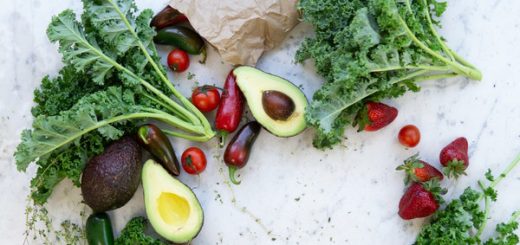
- Fruit and vegetable consumption: Another answer to the question of what to eat after cesarean birth is fruit and vegetable-based meals. Studies show that different flavors occur in breast milk as a result of consuming fruits and vegetables. In this way, you can increase your baby’s interest in breast milk. Additionally, you can contribute to your bowel functions by consuming these fiber-rich foods.
- Adequate calories: In the post-cesarean period, you need to provide the energy your body needs to recover. For this reason, it is important to consume calories appropriate to your basal metabolic rate. In addition, extra energy is required during breastfeeding. Experts recommend that breastfeeding mothers consume an extra 450-500 kilocalories in addition to their normal calorie needs. In this way, you can support both your own health and your baby’s health.
By paying attention to these points, you can create a correct nutrition routine after cesarean section. For the most consistent approach, you should follow a program by following the recommendations of your doctor and dietician. In this way, you can contribute to your own healing process and at the same time feed your child in a healthy way.
Things Not to Eat After Cesarean Birth
A correct nutrition program is important in order to go through the process after cesarean section without any complaints. In the post-operative phase, a certain period of time may be required for the intestinal and stomach muscles to return to their normal strength. Unsuitable foods consumed during this period may cause pain as a result of a feeling of tension in the intestinal wall. Foods with insufficient fiber content may exacerbate the constipation problem that may occur after cesarean section. Foods that you should not include in your post-cesarean meal list include:
- Excessive fatty foods: Fat is an essential nutrient in the body that is digested in the intestines. Many enzymes take part in the digestion of fat. There are some special mechanisms that occur within the intestine for the absorption of fat molecules broken into small pieces. Therefore, excessively fatty foods may cause the digestive system to work overtime. As fats that cannot be absorbed in sufficient amounts remain in the intestinal cavity, they can overstimulate bowel movements and cause diarrhea.
- Excess protein: Protein digestion is a procedure that begins in the stomach and ends in the intestine. Various digestive problems may be encountered as a result of consuming more protein than normal. It also has negative effects on heart, kidney and liver health. For this reason, experts recommend that 10-35% of the daily diet should be covered by proteins. Breastfeeding mothers can consume up to 3.5 grams of protein per kilogram daily. However, there are studies showing that foods high in protein and low in carbohydrates disrupt the intestinal flora. Therefore, protein should be consumed in an adequate and balanced manner, including other nutrients. When legumes, grains, vegetables and mushrooms are consumed adequately and variously, they can be easily consumed as high-quality, healthy and low-fat protein sources.
- Seafood: Fish and shellfish are potentially harmful foods for the baby because they contain high levels of mercury and lead. In addition, due to general waste problems in the seas, seafood contains chemicals that have a hormone-like effect on our body and plastic residues, which we call microplastics. Lead and Mercury can affect the nervous system in babies and cause neurological damage. For this reason, mothers during breastfeeding and all women and children should be advised to avoid seafood due to all these risks. Although seafood is known as rich sources of Omega-3 fatty acids, oilseeds (flaxseed, chia, quinoa, hemp seeds) etc.), vegetables (soybeans, purslane, Brussels sprouts, spinach, cauliflower) and fruits (avocado, walnuts) are foods that contain plenty of Omega-3 fatty acids and do not contain the toxins mentioned above.
- Processed foods: Some processed foods with unbalanced carbohydrate content can be fermented by bacteria in the intestines. As a result, intestinal problems such as bloating may occur. In the period after cesarean section, such foods should be avoided and care should be taken to consume healthy and balanced food. In addition, processed foods are products that should be avoided at all periods of life, as they almost always contain excess fat, salt and chemicals. Consuming it instead of real food increases the likelihood of disease in both mother and baby.
- Diet programs for weight loss: Adequate calorie intake is important for both your baby’s development and your recovery process after cesarean section. Experts state that breastfeeding mothers have more energy needs. Strict diets implemented for weight loss may cause you to be deficient in essential nutrients necessary for the continuity of bodily functions. In addition, this may have detrimental effects on your baby’s development by affecting the nutritional quality of breast milk. For this reason, unless there is a situation where rapid weight loss is required for medical reasons (in which case it should be done under the supervision of a doctor and dietician), calorie restriction should not be made during breastfeeding.
It is important to avoid these foods in order to prevent complications that may occur after cesarean section and shorten the recovery time. In addition to food, you should also take care to consume enough water. When you consume enough water, you will see that your urine is clear and light yellow to transparent in color. Harmful habits such as smoking and alcohol are two of the most important substances you should stay away from during this period. You can create a healthy program for both yourself and your baby with the post-cesarean nutrition list prepared in accordance with the recommendations of doctors and dietitians. For the most accurate approach to nutrition after cesarean section, you should consult a specialist physician.