Freezer

As the end of the summer months approached, many people began to prepare summer vegetables and fruits to prepare for the winter. But not every vegetable and fruit goes into the deep freezer. Alright,what to put in the freezer? Materials put in the deep freezer that will make your job easier…
Some foods need to be consumed immediately. Freeze some foods after they meet the necessary conditions. Keep it for a certain time. You can get frozen vegetables and fruits from the markets. On the other hand, keep the vegetables and fruits, which are plentiful and inexpensive in the season, by freezing them after passing them through the necessary stages.
We can’t find the opportunity to shop every day. For this reason, kitchen shopping is mostly done in weekly or ten-day periods. Wholesale shopping is both budget-friendly and time-saving. Especially since it will be difficult and tiring for working people to cook during the week, freezing pre-cooked meals is also a great advantage. Cooked meals taken out of the freezer can be heated and made ready to eat in a very short time.
In order not to be caught unprepared for unexpected guests, you can also freeze the treats that you prepared in advance by providing suitable conditions. Thus, you will not embarrass your guests. In particular, you can buy meat products in bulk and freeze them by dividing them in portions. Thus, you do not have to spend additional time preparing the meat while preparing the meal.
Vegetables and fish, which are inexpensive and fresh when in season, can be purchased and prepared in large quantities and frozen. In this way, you can consume every vegetable and fish you want in every season. Alrightwhat to put in the freezer?
HOW IS FOOD STORED IN THE FREEZER?
The most effective use of deep freezers is when they are full. Food must be placed very well inside the freezers. However, spaces should be left to allow air to circulate between foods.
If the electricity is cut off, the deep freezer should never be opened. In this way, you can keep your food at 0 degrees for up to 48 hours. However, if the freezer is relatively empty, the food inside can be kept intact for up to 24 hours. If there are frequent power cuts in your area, you should try to keep your freezer as full as possible. If your freezer is not full enough, you can fill the gaps with ice packs. Because during outages, these ice packs help keep the cold air in the freezer longer.
To see if your freezer has thawed while you’re not at home, fill a jar with ice cubes and put it in the freezer. If the ice has melted and changed shape when you return, your freezer is thawed and frozen again. This is a sign that the food inside is not stored properly.
Glass bottles (especially narrow-mouthed ones) should not be used as storage containers in the freezer. Because liquids that expand when frozen can cause the glass to break.
You can choose to freeze the food in the freezer by placing it in plastic bags or wrapping it in cling film instead of aluminum foil.
You can put dates on frozen foods. When using the foods in the freezer, we recommend placing them in chronological order. Thus, when frozen, it is easier to distinguish similar foods and you can use the foods in this order.
Fats freeze more difficult than protein and carbohydrates and have a shorter shelf life in the freezer. For this reason, if you plan to store fatty meats such as chops in the freezer, we recommend removing excess fat first.
If you know in advance that you will freeze the food you are cooking, be careful not to use too many spices. Because the flavors of spices can become sharper when frozen.
Never open the door of your deep freezer when the electricity is cut off. In this way, the food inside will be preserved for up to 48 hours. However, if your freezer is only partially full, these foods will be kept cold for up to 24 hours. If you live in a place that has frequent electricity shortages, you should fill your freezer as much as possible, and when you can’t fill it, you should place bags full of ice in it to reach maximum occupancy.
OPEN FREEZE – DRY FREEZE METHOD
For some fruits, the method known as open freezing or dry freezing is applied. Fruits such as cranberries, blueberries, blackberries, raspberries or strawberries are suitable for this process.
Choose fruits with hard grains. Wash them in very cold water and dry thoroughly. Soft fruits should not be washed before freezing.
Line a baking tray with greaseproof paper. Spread the fruit on the tray.
Place the tray flat in the freezer. Wait until the fruits are frozen.
Once the fruit is frozen, remove the tray from the fridge and place the fruit in regular freezer bags. Make sure that there is no air in the bag. Try to consume frozen fruit within six to eight months.
With this method, you can easily freeze your fruits and consume them in a healthy way.
HOW ARE FOODS FROZEN?
Steps to be applied for the storage of food.
Extraction
Vegetables and fruits, if any, are cleaned from their shells and stems.
Washing
The food, whose shell and stems are cleaned, is washed.
Cutting
Foods that are peeled and cleaned are desired to be cooked later.
way cut.
Preliminary
Vegetables such as eggplant and potatoes are boiled or fried.
Cooling
Boiled or fried vegetables are kept until they cool down and placed in containers and placed in the freezer or deep freezer.
Follow a safe and healthy way of freezing food at home. The following tips will be helpful for you.
Before freezing, make sure the food is clean and ready.
Divide the food into small portions. This ensures faster and healthier freezing and thawing.
Choose the right size and type of bags for food. Bags that are too big or too small cause the freezing process to be unhealthy.
Make sure the package is tightly closed and airtight.
Make sure the freezer is below zero degrees Celsius.
Place freshly placed packages far apart from each other and make sure they are empty around them.
For thawing, use the five hours per kilo refrigerator formula or the cold water thaw method.
HOW LONG ARE FROZEN FOODS STORED?
Chicken, Turkey (Whole): 12 months,
Shredded Turkey: 9 months,
Chicken Breast: 4 months,
Lamb-Mutton: 9 months,
Veal Chops: 4-6 months, Veal
Entrecote: 12 months,
Offal: 4 months,
Fried Chicken: 4 months,
Sausage, Salami, Sausage: 2 months,
Bacon: 1 month,
Smoked Fish: 2 months,
Oily Fish: 3 months,
Lean Fish: 6 months,
Peas: 8 months,
Pointed Pepper: 10 months,
Red Pepper: 10 months,
Broccoli: 10 months,
Cauliflower: 2 months,
Carrot: 12 months,
Spinach: 8 months,
Leek: 8 months,
Artichoke: 6 months,
Celery: 1 month,
Fresh Kidney Beans: 12 months,
Biceps: 8 months,
Onion: 10 months,
Garlic: 6 months,
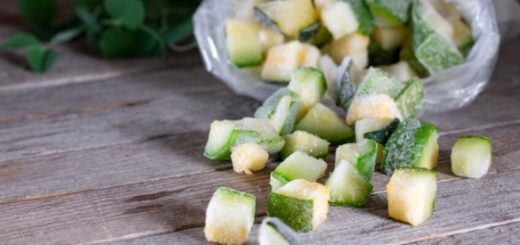
Green Zucchini: 9 months,
Pumpkin: 10 months,
Pods: 12 months,
Okra: 3 months,
Brussels Sprouts: 10 months,
White Cabbage: 8 months,
Apple: 12 months,
Strawberry: 8 months,
Peach: 12 months,
Grapes: 5 months,
Lemon: 6 months,
Hard Cheeses: 6 months,
Butter: 9 months,
Margarine: 12 months.
WHAT VEGETABLES TO PUT IN THE DEEP FREEZER?
Some foods can be preserved for a longer period of time by storing them in the freezer.
The most common vegetables are green beans, peas, spinach, asparagus, carrots, okra, cauliflower, potatoes, peppers, eggplant, parsley, tomatoes, etc. Vegetables are stored frozen.
Nuts such as hazelnuts and peanuts are first placed in plastic bags with a well-closed mouth. Then, these prepared bags are placed in the deep freezer. Thus, nuts can be stored in the freezer for up to 8 months and in the refrigerator for up to 4 months.
In order to thaw frozen foods, they are first put on the lowest shelf of the refrigerator and waited to be thawed slowly. Because bacteria will grow rapidly in foods that are placed in a warm environment to defrost.
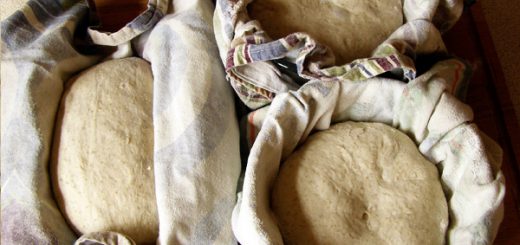
What to put in the deep freezer? Green beans, red beans, green lentils, kidney beans, chickpeas, bouillon bone broth, compote, bread, spring rolls, pastries, pastries, cookies, orange peel, butter, ginger, corn, garlic, bell pepper, carrots, beans, spinach, mushrooms, peas, zucchini, broccoli, meatballs, chicken, fish, raspberries, strawberries, blueberries, blackberries, currants, cranberries, etc. fruits and bananas, mangoes, pineapples, peaches, nectarines, plums and cherries, hard cheeses, sauces, legumes.
On the other hand, some foods cannot be put into the freezer. So what not to put in the freezer?
WHAT NOT TO PUT IN THE DEEP FREEZER?
It is recommended not to freeze the fried or breaded foods. Because when these foods are frozen, they become like rubber. Small quantities of fruit freeze better, as the fruit will freeze more quickly. Also, frozen fruits expand. Therefore, it is recommended to leave some free space in the container in which the berries are frozen.
What not to put in the freezer? Milk, yogurt, eggs, greens (parsley, lettuce, etc.), cottage cheese, cream cheese, cornstarch, pudding, milkshakes, fried foods, lots of juicy vegetables and fruits (lettuce, cucumber, celery, radish, tomato, melon, citrus fruit) , apple, pear) potatoes, canned foods, vacuum foods, acidic beverages, eggplant, honey, mayonnaise.