What is Ascorbic Acid and What Does It Do?
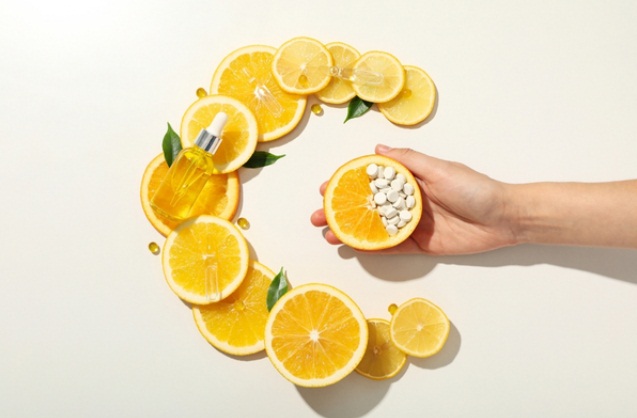
Ascorbic Acid (Vitamin C)
Vitamins are very important for human health. Ascorbic acid, also known as vitamin C, is among the vitamins that form the foundations of a healthy life. Ascorbic acid makes it easier for people to have a healthier body, thanks to its benefits and effects.
In this content, questions about ascorbic acid have been examined in detail, inspired by scientific sources. You can find what you want to learn about ascorbic acid, one of the valuable vitamins for the body, by reading our content.
Get support from a specialist doctor for the most accurate information and healthy results. The information contained in our content does not constitute a prescription. We wish you healthy days…
What is Ascorbic Acid?
Ascorbic acid is the chemical name of vitamin C , which many people know today . Ascorbic acid is a water-soluble vitamin; that is, it cannot be stored by the body. Since this type of vitamin cannot be synthesized or produced by humans, it is taken through diet or supplements. It has a very strong antioxidant feature in terms of structure. It has important roles in various biochemical processes. It has a structure found naturally in fruits and vegetables. Since it is obtained from natural substances, it contributes greatly to human health and life.
In cases where ascorbic acid is not sufficient in the body, the immune system may decrease and conditions such as fatigue and iron deficiency may be observed. Situations such as irregular nutrition, excessive preference for processed foods, alcohol and cigarette use, and sleep disorders can reduce ascorbic acid levels in the body.
What Does Ascorbic Acid Do?
- It strengthens the immune system.
- It has antioxidant and anti-inflammatory properties.
- Increases iron absorption; prevents anemia.
- It heals wounds through collagen synthesis.
- It may contribute to the protection of cardiovascular health.
- It can help protect eye health.
- It can support diabetes treatment.
- It can reduce the effects of air pollution.
- Protects skin health.
- It helps cure scurvy.
- Protects bone health.
Strengthens the Immune System
Ascorbic acid helps strengthen the immune system. It stimulates the body to keep it away from infections and bacteria. It has the ability to support the functions of immune cells.
Many studies show that vitamin C supplements can strengthen the immune system and protect against viral infections. It has been found to be especially effective in reducing the symptoms and duration of viral diseases such as colds and flu .
Effect on the Immune System
Source: “Vitamin C and Immune Function” by Carr AC, Maggini S. Nutrients. 2017 Nov;9(11):1211.
Findings: This study shows that vitamin C supports several aspects of the immune system and may reduce the risk of infection. It has been stated that it can especially reduce the duration and severity of colds.
It has antioxidant and anti-inflammatory properties
Vitamin C is a powerful antioxidant. It protects the body from the harmful effects of free radicals and reduces cell damage.
Antioxidant Properties
Source: “Antioxidant Activities of Ascorbic Acid” by Jacob RA. Free Radic Biol Med. 1995.
Results: Ascorbic acid has been shown to be a powerful antioxidant and prevent cell damage by neutralizing free radicals.
Anti-inflammatory Effects
Source: “Vitamin C and inflammation: mechanisms of action and experimental support of clinical applications” by Mikirova NA, Casciari JJ, Riordan NH, Hunninghake R, Rogers AM, Taylor P, Jackson JA. Med Sci Monit. 2008.
Findings: Vitamin C has been found to reduce inflammation in the body and help reduce the risk of various chronic diseases.
Increases Iron Absorption; Prevents Anemia
Ascorbic acid has the task of increasing iron absorption . This task helps reduce the risk of anemia. Ascorbic acid is needed when fighting anemia problems. Especially for people with iron deficiency anemia, taking iron supplements together with ascorbic acid may provide healthier results.
Increasing Iron Absorption
Source: “Ascorbic acid and iron absorption: a review and a general theory” by Hallberg L, Brune M, Rossander-Hulten L. Am J Clin Nutr. 1987.
Results: It has been determined that ascorbic acid significantly increases the absorption of plant-derived iron, thus reducing the risk of iron deficiency anemia.
Heals Wounds with Collagen Synthesis
Ascorbic acid contributes to the healing process of skin wounds. Since it accelerates collagen production in the skin , it helps treat skin problems. Ascorbic acid can show its benefits in cases such as injured tissue, scars, burns and scratches.
Collagen Synthesis
Source : “The effect of ascorbic acid on the synthesis of collagen” by Murad S, Grove D, Lindberg KA, Reynolds G, Sivarajah A, Pinnell SR. J Invest Dermatol. 1981.
Findings : Vitamin C has been shown to support the structural integrity of skin, cartilage and blood vessels by increasing collagen production.
May Contribute to the Protection of Cardiovascular Health
Since ascorbic acid is a very powerful antioxidant, it is effective in protecting cardiovascular health. Vitamin C can protect heart health because it has the ability to reduce vascular damage caused by free radicals.
Heart health
Source: “Vitamin C and Cardiovascular Disease: A Review” by Moser MA, Chun OK. Curr Atheroscler Rep. 2016.
Findings: It has been stated that vitamin C has the potential to lower blood pressure and improve arterial health, thus reducing the risk of cardiovascular disease.
May Help Protect Eye Health
Ascorbic acid is a vitamin that supports eye health thanks to its antioxidant properties. It is important to prevent vision problems. It can reduce the risk of eye diseases such as cataracts and age-related macular degeneration and help protect the eye structure.
Eye health
Source: “Vitamin C and age-related cataract” by Taylor A, Jacques PF, Chylack LT Jr, Hankinson SE, Khu PM, Rogers G, Friend J, Tung W, Wolfe JK, Padhye N, Willett WC. Am J Clin Nutr. 1997.
Findings: It has been determined that vitamin C can reduce the risk of eye diseases such as cataracts and age-related macular degeneration.
May Support Diabetes Treatment
Diabetes treatment may be facilitated with ascorbic acid, which has the ability to increase the sensitivity of cells to insulin . Thus, blood sugar can be balanced in a healthier process. It is a vitamin that helps reduce oxidative stress caused by diabetes.
Can Reduce the Effects of Air Pollution
The effects of air pollution occur with respiratory diseases in people. Ascorbic acid is needed to reduce these effects. It is a helpful vitamin to prevent lung and respiratory diseases for people living in industrial cities and areas with intense air pollution .
Protects Skin Health
Age-related collagen deficiency and decrease can be slowed down with ascorbic acid. Ascorbic acid, which supports the skin’s collagen production, can help the skin look more vigorous and healthy.
Skin Health
Source: “Topical Vitamin C and the Skin: Mechanisms of Action and Clinical Applications” by Telang PS. Indian Dermatol Online J. 2013.
Findings: Topical vitamin C applications have been shown to delay skin aging, improve skin texture, and protect against UV damage.
Helps Cure Scurvy
Scurvy, which occurs due to extreme deficiency of vitamin C, can be treated with ascorbic acid. It is a vitamin that has the ability to prevent the progression of the disease and alleviate its effects. The effects of the disease can be minimized by taking ascorbic acid supplements under the supervision of a doctor.
Protects Bone Health
Ascorbic acid must be met for the formation and maintenance of healthy bones. Thanks to ascorbic acid, which helps maintain bone health, bone pain can be relieved and a stronger bone structure can be achieved.
Get support from a specialist doctor for the most accurate information and healthy results. The information contained in our content does not constitute a prescription. We wish you healthy days…
How to Use Ascorbic Acid?
Consult a healthcare professional before use.
Ascorbic acid, a natural water-soluble vitamin, should be used consciously and under the supervision of a doctor, in individually determined doses. Ascorbic acid can be obtained from fruits and vegetables in the routine diet , as well as from supplements. To clarify what you are wondering about the use of ascorbic acid, the following suggestions may attract your attention:
- You can meet your ascorbic acid needs by eating a diet rich in seasonal fresh fruits and vegetables, especially red fruits, citrus fruits and green leafy vegetables .
- You can use vitamin C supplements in water-soluble effervescent tablets, capsules or liquid form.
- You can use vitamin C-containing products (cream, serum, mask, etc.) in your skin care routines .
- With doctor’s approval , you can take ascorbic acid supplement as a serum intravenously .
Use with Food
You can consume ascorbic acid with the help of foods. For this, you can choose fruits and vegetables with high vitamin C content . Thanks to natural foods, you can meet your daily ascorbic acid needs.
Use with Supplements
If you cannot meet your ascorbic acid needs through nutrition, you can consume supplements. For this, you can use ascorbic acid supplements in tablet, capsule, powder or liquid form by consulting a doctor. Your doctor can determine the most suitable form for you and offer supplementary support.
Use in Skin Care Products
Ascorbic acid, which helps skin care, can be included in skin care products. This valuable acid, which has anti-aging, brightening and skin tone equalizing effects, can be used thanks to reliable products. You can start using ascorbic acid for your skin by examining the ingredients of skin care products that have quality and healthy ingredients.
Intravenous Use
For people who cannot get enough vitamin C due to some health problems, intravenous ascorbic acid use can be started. This use is supervised by the doctor and an appropriate dose of ascorbic acid support is administered. Intravenous use attracts attention in the treatment of serious diseases.

What are the Benefits of Ascorbic Acid?
Ascorbic acid is a vitamin that helps people live healthier and have a healthy body. However, the benefits of ascorbic acid can be listed as follows.
- It accelerates the healing of wounds.
- It protects the immune system.
- It strengthens vision health.
- It can prevent respiratory diseases (flu, cold, etc.).
- It can alleviate the effects of diabetes.
- It may reduce the risk of anemia.
- It can make the skin look vibrant and healthy.
- It facilitates the strengthening of bones.
- It may be effective for scurvy.
Is Ascorbic Acid Harmful?
Ascorbic acid is a type of vitamin that is not stored by the body, is water-soluble, and excess can be excreted . Ascorbic acid can be used under doctor’s supervision in certain doses according to age, weight and body needs. It is not harmful at this stage; However, in overdose, it may cause stomach and intestinal problems as the body will try to excrete ascorbic acid through the intestines .
In excess of ascorbic acid; Symptoms such as diarrhea, pain and cramps in the abdominal area, dizziness and weakness may occur. If you observe these symptoms, you should consult a healthcare provider without delay.
What is Ascorbic Acid Found in?
Ascorbic acid can be found in high amounts in fruits and vegetables. We have listed the foods containing the most ascorbic acid (vitamin C) and their vitamin values for you:
- Orange: 1 medium-sized orange contains approximately 50 mg of vitamin C.
- Red Pepper: 100 grams of red pepper contains an average of 140 mg of vitamin C.
- Strawberries: A 100 gram serving of strawberries contains approximately 58-59 mg of ascorbic acid.
- Broccoli: 100 grams of broccoli contains an average of 89-90 mg of vitamin C.
- Rosehip: 100 grams of rosehip fruit contains approximately 426 mg of vitamin C (ascorbic acid).
- Pineapple: A 100 gram slice of pineapple contains an average of 47-48 mg of vitamin C.
- Spinach: A 100 gram serving of spinach has approximately 28-29 mg of vitamin C.
- Tomato: 100 grams of tomato contains approximately 13-14 mg of vitamin C.
- Apple: A medium-sized apple contains approximately 4-5 mg of vitamin C.
- Banana: A medium-sized ripe banana contains an average of 8-9 mg of vitamin C.
| Nutrient | Amount of Vitamin C (mg) 100 grams |
|---|---|
| rosehip | 426 mg |
| Red pepper | 140 mg |
| Broccoli | 90mg |
| Orange | 50 mg (1 medium size) |
| Strawberry | 60mg |
| Pineapple | 50 mg |
| Spinach | 30 mg |
| Tomatoes | 15 mg |
| Apple | 5 mg |
| Banana | 10 mg (1 medium size) |
Ascorbic Acid Daily Requirement Reference Range
The daily need for ascorbic acid is determined by the person’s age and general health condition. Ascorbic acid, which can be taken through nutrition and supplements, must be met during the day. The daily ascorbic acid need of men and women can be expressed with the following values:
The maximum daily limit for vitamin C is determined as 2 grams (2000 mg) . The recommended daily amount can be easily reached by consuming a total of 5 fruits and vegetables rich in vitamin C per day .
Source: eczacilik.yeditepe.edu.tr
Adolescence and Adults
- Men (14 years and older): 90 mg
- Women (14 years and older): 75 mg
Frequently Asked Questions About Ascorbic Acid
Is Ascorbic Acid Natural?
Ascorbic acid is found naturally in vegetables and fruits. In cases where it cannot be obtained from food, it is taken through supplements. It is expressed as a natural food source that is essential for people’s health.
Where is Ascorbic Acid Found Most?
Ascorbic acid is mostly found in fresh vegetables and fruits. It is very common in nature and easy to reach. Ascorbic acid is found in fruits and vegetables such as lemon, orange, grapefruit, kiwi, pineapple, strawberry and currant, broccoli, green and red peppers, and Brussels sprouts . High temperature can cause a decrease in the ascorbic acid value of foods. Be careful not to cook at high temperatures.
What Happens If There Is Too Much Ascorbic Acid?
Vitamin C (ascorbic acid) should be consumed in a balanced and controlled manner. Intake of too much ascorbic acid may damage kidney function. Rarely, it may cause stone formation in the kidneys . If it is too much , dry mouth, nausea, and allergy symptoms on the skin may occur.
What Does Ascorbic Acid Do on the Skin?
The effect of ascorbic acid on the skin is to prevent damage and provide a healthy appearance. Since it has an antioxidant effect, it helps prevent skin problems caused by free radicals.
Where is Ascorbic Acid Used?
Ascorbic acid is used in various fields. Its common areas of use are the production of nutrition and food supplement products. Except this:
- It can be used as a preservative in bakery products.
- Thanks to its antioxidant properties, it is used when antioxidants are required.
- It is used as an acid regulator in production stages to control pH.
- It can be preferred to give acidic taste to many foods.
Which Vitamin is Ascorbic Acid?
Ascorbic acid is one of the valuable vitamins known as vitamin C. Vitamin C is also included in the sources under the name of ascorbic acid.
Can Ascorbic Acid Be Drinked?
Ascorbic acid is a water-soluble vitamin. It can be taken in appropriate doses throughout the day, depending on age and gender, and can be consumed according to the form of use. If you use a water-soluble vitamin C or capsule as a food supplement , you can drink it with water.
How to Identify Ascorbic Acid on Product Labels?
You can pay attention to some terms when examining ascorbic acid on product labels. Ascorbic acid is labeled as follows:
- C vitamin
- L-Ascorbic Acid
- Ascorbic Acid
- Ascorbic Acid (Vitamin C)
What Happens in Ascorbic Acid Deficiency?
It occurs as a vitamin C deficiency in the human body. This disorder can cause various problems to people. Vitamin C deficiency can weaken the immune system and cause diseases. The disease caused by ascorbic acid deficiency is known as Scurvy ; This disorder can cause hair, skin, nerve and immune diseases.
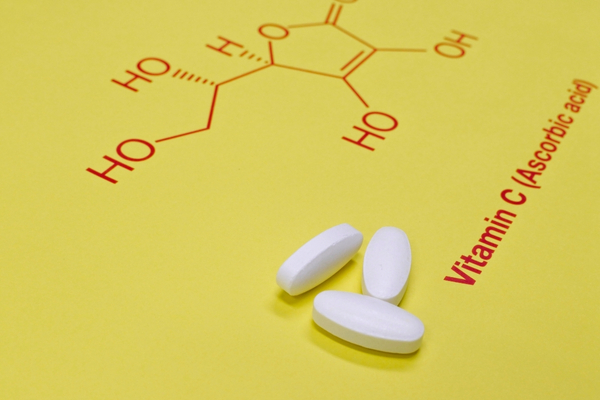
Source: Levine, M., Rumsey, S.C., Daruwala, R., Park, J.B., & Wang, Y. (1999). Criteria and recommendations for vitamin C intake. Jama, 281(15), 1415-1423.