How to distinguish between clean beef and tapeworm-infected beef
This food is very nutritious but can transmit disease if it contains parasites, so you need to know how to distinguish between clean beef and tapeworm-infected beef.
Beef is quite a high-class food, not only delicious, can be processed into many wonderful dishes, but also very nutritious. This type of meat is rich in high quality protein, diverse vitamins and minerals such as vitamin B12, zinc, iron, copper, calcium…, in addition to some valuable active ingredients such as taurine, creatine…
It is necessary to distinguish between clean beef and tapeworm-infected beef
Beef provides a lot of energy, helps develop muscles, and boosts immunity. However, beef has the potential to be infected with tapeworms that are dangerous for humans.
According to Professor Nguyen Van De – former Head of the Parasitology Department of Hanoi Medical University, buyers need to carefully check the meat to avoid buying meat containing tapeworms and egg cysts of tapeworms.
If you buy meat containing tapeworms or cysts, you should not eat it because it is very dangerous. If humans eat beef containing beef tapeworm larvae, the larvae will enter the stomach and small intestine; The new cervical segment forms a series of fluke segments. The larvae become adult flukes after about 3 months.
“ The lifespan of a tapeworm is about 25 years. When outside, each segment of the fluke contains about 50,000 – 80,000 eggs. This fluke decomposes in the environment, releases eggs, and eggs exist in the environment for several weeks to months . Professor De said.
To avoid buying tapeworm-infected beef, in addition to paying attention to the identifying characteristics, you should also choose reputable, quality locations with food safety quarantine. In case you have to buy at a local market, you need to observe carefully to distinguish clean beef from tapeworm-infected beef, avoiding the risk of disease.
How to identify clean, fresh beef
Taste
Proper beef will have a unique, slightly unpleasant aroma. Just touch the meat and put your finger near your nose to smell this aroma.
Color
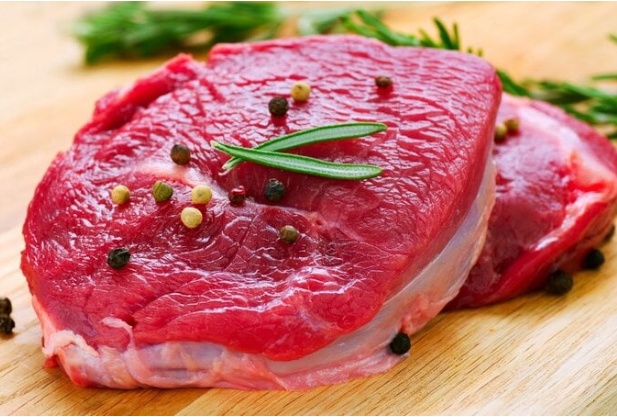
Fresh beef will have a characteristic, bright red color; The fat is light yellow, pressing your fingertip against the meat will feel naturally sticky, dry, smooth, not viscous and not wet.
Check the meat block
With clean beef, the meat is firm and has high elasticity. When pressed, it doesn’t dent and doesn’t feel sticky, and the cut surface of the meat is dry.
Beef with small and long meat fibers will be more tender. You should not buy pieces of beef with large fibers because it will be harder and tougher. Pork and beef imitations have large and short meat fibers, with no obvious gaps between the meat fibers.
In particular, clean beef does not have a bad smell but has the freshness and aroma of new meat. Pork soaked in chemicals to simulate beef will be firmer than real beef, smell worse, and have an uneven color.
The above characteristics will not be noticed in poor quality and rancid beef. At that time, the color of the meat darkens and has an unpleasant odor. Beef fat becomes dark yellow, bones are no longer yellow (for cows with ear curl disease). When you press the meat with your hands, poor quality and rancid meat will feel slimy, mushy, and have poor elasticity.
How to detect tapeworm-infected beef
To prevent tapeworm infection from eating beef, the most important thing when buying is to observe carefully to determine whether the beef is infected with tapeworms or not. The simplest way is to cut the meat along the longitudinal grain for easier observation.
If tiny white spots or small white clusters appear like blisters, it is likely that the beef is infected with tapeworms. The meat has fibers or oval shapes as large as a grain of rice, white or gray in color, which is also a sign of tapeworms. Absolutely do not eat it.
It should be noted that this way of distinguishing between clean and infected beef is most effective with raw beef. Undercooked or undercooked beef, the color changes, making it difficult to observe; Flukes can even be easily confused with tendons or beef fat when exposed to heat. Therefore, now you need to check more meticulously.
In addition, when touching the meat, if you feel the meat is hard or has no elasticity or is not flexible, the meat may have been marinated with borax or urea and is at high risk of being infected with helminth larvae.