Are plums healthy? Health Benefits and Nutritional Value of Plums
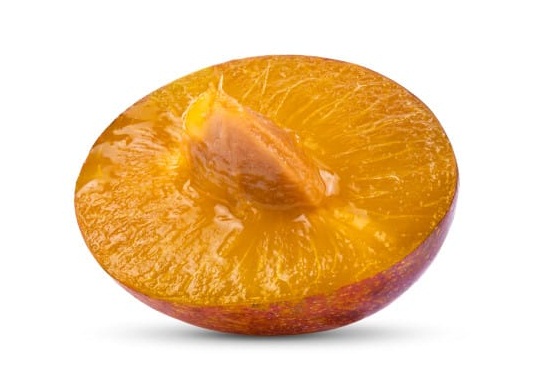
Plums, known as a intestinal aid, but are they also healthy? Discover the true health benefits of plums in our article.
Are plums healthy?
Are you wondering if plums are healthy? Well, you’ll be happy to hear that indeed they are! Plums are packed with fiber, vitamins and minerals, making them a healthy substitute for sweet snacks. Are you interested in the various health benefits of plums? Then definitely keep reading!
What are plums?
First, let’s see what plums actually are. They belong to the category of drupes and grow on a tree that can reach a height of 3 to 7 meters.
A plum has a characteristic egg-shaped structure. In the Netherlands, plums mainly grow in the season from July to September.
There are various varieties of plums, such as the opal (large size with a purple-red skin), Czar (small and purple-blue in color), Victoria (elongated and red-yellow) and the double baking plum (blue with yellow flesh).
They can vary in color, from deep blue to yellow and red. Moreover, the taste also varies greatly, from sweet and sour to deliciously sweet. The good news is that all varieties are healthy choices.
You can use plums in many different ways. For example, eat them in a bowl of yoghurt, cottage cheese or use them in a compote or mousse. They also taste very tasty poached with cinnamon or stewed with poultry or fish. Do you love jam? Then make homemade plum jam.
What is the nutritional value of plums?
Below you can read the nutritional value of a plum (40 grams).
- Energy: 16 kcal
- Fat: 0 g
-Of which saturated: 0 g - Carbohydrates: 2.9 g
-Of which sugars: 2.9 g - Fiber: 0.9 g
- Protein: 0.3g
- Salt: 0 g
What nutrients do plums contain?
Below you can read which nutrients a portion of plums contains.
| Nutrient | Quantity | Recommended Daily Allowance (RDA) |
| Potassium | 79 mg | 3500 mg |
| Calcium | 3 mg | Men and women 18-24 years: 1000 mg Men 25-69 years and women 25-49 years 950 mg Women 60-69 years 1100 mg |
| Magnesium | 3 mg | Men 350 mg Women 300 mg |
| Iron | 0.1mg | Men and women who do not menstruate 11 g Women who do menstruate 16 mg* |
| Selenium | 0 µg | 70 µg |
| Zinc | 0 ug | Men (>18 years) 9 ug Women (>18 years) 7 ug Pregnant women 9.1 ug Breastfeeding women 11 ug |
| Vitamin A | 12 ug | Men 800 μg Women 680 μg |
| Vitamin D | 0 µg | 10 μg >70 years People with tanned skin People who rarely go outside and/or cover their hands and face 20 μg |
| Vitamin E | 0.3mg | Men 13 mg Women 11 mg |
| Thiamine (vitamin B1) | 0.01 mg | 0.1mg |
| Riboflavin (vitamin B2) | 0.01 mg | 1.6mg |
| Vitamin B6 | 0.04 mg | Men and women 1.5 mg Men >50 years 1.8 mg |
| Folic acid | 1 µg | 300 μg Pregnant and lactating women 400 μg |
| Vitamin B12 | 0 µg | 2.8 μg |
| Niacin | 0.2mg | 16 mg |
| Vitamin C | 2 mg | 75 mg |
| Iodine | 0 µg | 150 μg Pregnant and/or lactating women 200 μg. |
| Phosphorus | 9mg [2] | 550 mg (>18 years) [3] |
What are the health benefits of plums?
Plums are mainly known for their laxative effect. However, they have many more health benefits. Below you can read more about the health benefits.
Full of vitamins and minerals
Plums contain many vitamins and minerals, no less than 15 different types. The amounts of vitamin C, vitamin K and vitamin A are the highest.
Vitamin C is important for good resistance, among other things. Vitamin A is important for good vision and proper functioning of the immune system. Vitamin K is important, among other things, for good blood clotting.
Good source of antioxidants
Plums are full of antioxidants, including the powerful antioxidant vitamin C. In addition, it contains many polyphenols, antioxidants found in plants. Antioxidants can scavenge free radicals, which can damage cells and tissues.
In the long term, this damage could lead to chronic diseases, such as type II diabetes and cancer. Free radicals are created during normal body processes and external factors, such as smoking and sunlight.
Helps reduce intestinal complaints
You probably already knew that plums can reduce intestinal complaints. But why does this actually happen? This is mainly due to the high amount of fiber. One plum (40 grams) contains 0.9 grams of fiber. If you eat a few plums you will quickly get a lot of fiber.
The vast majority of these fibers are insoluble. This contributes to better bowel movements, which can reduce or prevent constipation. Plums also contain sorbitol and psyllium. Sorbitol is a sugar that has a laxative effect. Psyllium is a type of fiber, which also has a laxative effect [8, 9].
Several studies have been conducted into these effects. For example, there is a study in which a group of test subjects ate 50 grams of plums for three weeks. The other group of subjects used psyllium fiber. The group that ate plums had better and regular bowel movements after three weeks.
This research was done with a small group of subjects, so more research needs to be done.
Would help lower blood sugar levels
Although plums contain a lot of sugar, eating plums could help lower blood sugar levels. Plums have a relatively low GI value.
GI stands for Glycemic Index, which indicates how quickly carbohydrates are absorbed into the blood. The faster the sugars are absorbed, the faster the blood sugar level rises.
Eating mainly low GI foods could likely lower blood sugar levels in the long term. It is important to choose the plum with the peel. The peel contains the most fibers.
May possibly contribute to good bone health
There is some evidence that eating plums can contribute to good bone health. It is said to reduce the risk of bone disorders, such as low bone density.
Whether this is really the case and what the reason for this is is not yet known. Antioxidants may play a role in this.
Good for the heart
Fruit in general is good for your heart health. Eating it reduces the risk of heart disease and stroke. Fiber from fruit is good for cholesterol and blood pressure.
In addition, there are indications that plums are good for the heart. For example, it could lower LDL cholesterol (the bad cholesterol).
The studies were done on mice or small groups of people. As a result, more research must be done before conclusions can be drawn.
It is suspected that these positive effects are due to the fiber, antioxidants and potassium in plums.
RESUME
Eating plums has many health benefits. Not only can it reduce intestinal problems such as constipation. Plums are also said to lower blood sugar levels and be good for the heart. However, further research needs to be done into this.
Are dried plums healthier than fresh plums?
Dried fruits also contain many more sugars and calories per gram than fresh fruit.
Whole plums are a healthier choice than dried plums. This variant of dried plums does contain more moisture. However, they still contain much more sugar than fresh plums. So eat them in moderation.
Are plums good for weight loss?
So, what about prunes and weight loss? The good news is that plums are quite low in calories, making them a good choice for those who are watching calories. With their natural sweetness, they are a healthy alternative to unhealthy snacks.
By choosing plums, you can quickly reduce your calorie intake. In addition, the fiber in plums can provide a longer feeling of satiety, making it easier to eat less.
However, it is better not to drink prune juice. Plum juice contains much more sugar and has no filling effect. This can quickly cause you to consume too many calories and sugars.
Even if you’re not trying to lose weight, prune juice is not a healthy choice. In addition, prune juice can quickly raise blood sugar levels.
Do plums fit into a low-carb diet?
Plums don’t seem to contain that many carbohydrates. With one serving you only get 2.6 carbohydrates. However, a portion is only 40 grams.
If you eat four plums, this quickly amounts to a total of 12.4 grams of carbohydrates. However, this amount of carbohydrates is not too bad when you compare it with other types of fruit. For example, a banana contains no less than 23 grams of carbohydrates per 100 grams.
How often to eat plums?
No matter how healthy plums are, it remains important to vary the fruit. Each color of fruit contains different levels of vitamins and minerals. By alternating with fruit you get enough of these vitamins and minerals and prevent deficiencies.
So alternate with, for example, blueberries, papaya and apple. Or make a fruit salad with various types of fruit. Store it in the refrigerator so you can eat it for several days. Also add a little lemon juice. This way the fruit salad will last longer.
When to eat plums?
It doesn’t really matter when you eat plums. Eat them whenever you feel like it. For example, eat them as a healthy snack instead of an unhealthy sweet snack. Or eat them in your muesli or salad. Do you eat plums for their laxative effect? Then eat them at a time when you can comfortably go to the toilet.
Conclusion
Plums are very healthy. They are not only good if you have intestinal problems, but also provide you with many healthy nutrients. Choose the fresh variety and eat them with the skin. This is the healthiest choice!