Seasonal fruit and vegetables for children
Among the foods most hated by children there are certainly fruit and vegetables , which despite their bright colours , tastes and textures of all kinds, fail to endear themselves to the little ones.
Why do we need to choose seasonal vegetables?
The child must learn that each plant produces its fruit only in a certain period of the year and that therefore in different seasons we always find different foods. This concept will be simple if they are shown trees and vegetable gardens, more difficult if they go to the supermarket where we find everything we want. It’s true, among the supermarket shelves we find every kind of vegetable, coming from all over the world, but as much as it is right and tasty to sometimes indulge in different foods than usual, we must know that a fruit picked out of season or still unripe on the other part of the ocean and ripened on the shelves, it has no vitamins and minerals, as well as no flavor. Yes, because the production of vitamins occurs only if the fruit ripens on the plant with conditions favorable to it (soil, temperature…).
How to give children seasonal vegetables
To entice our children to try fruit and vegetables we tried all types and, to be fair, we only found two or three to their liking, but what do we do if they are no longer in season? It is good for the child to continue eating vegetables throughout the year and to always be offered new ones, even if he continues to refuse them. At every lunch and dinner, place a small portion of vegetables on his plate, remember that a small quantity is not only sufficient for the child, but is also more easily accepted. Always suggest small cuts and different types of cooking or seasoning even for the same vegetable, in summer have fun with raw vegetables in dips cut in different ways (sticks, slices for the bigger ones, little hearts…), in winter you can try with gratins and cream soups.
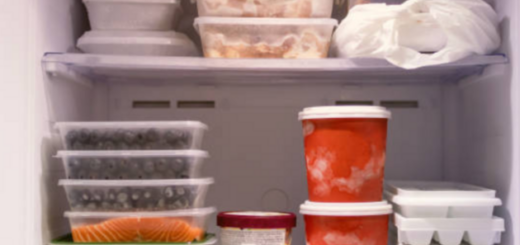
Alternate the evenings in which you offer new vegetables with those in which you give the child the ones he loves most, so as to be sure that he eats vegetables at least 3-4 times a week . What do we do if the only vegetables the child likes are not in season? The best thing is to stock up on them when you have them and freeze them. In fact, freezing is an excellent preservation method, as it keeps all the properties of the food intact. When this is not possible, it is still best to avoid the child spending several months without consuming vegetables because he really doesn’t want to taste other ones, so every now and then we can also offer him the out-of-season vegetables that he prefers.
How to give children seasonal fruit
Fruit is generally more popular than vegetables and is easier to offer. In summer we can indulge ourselves with smoothies , using various combinations of fruit to obtain different flavors and we can add a small quantity of other fruits that the child doesn’t like to the fruit that the child likes best so that he consumes them without realizing it. For a better taste and consistency we can add a small amount of partially skimmed milk or low-fat yogurt to the smoothie. Another very tasty summer idea is homemade sorbets , simple to make and excellent both as a snack and as a dessert at the end of a meal. All you need to do is cut the fruit into small pieces and freeze it a few hours before blending it. In winter we have less variety, but we can still use tasty strategies such as always cutting fruit into small pieces to perhaps make a fruit salad or fruit skewers.
Seasonal fruit and vegetables for the little ones
Below we offer you a list of all the fruit and vegetables we can find month by month.
JANUARY
- Fruit : Oranges, clementines, mandarins, lemons, citrons, grapefruits, kiwis, apples and pears.
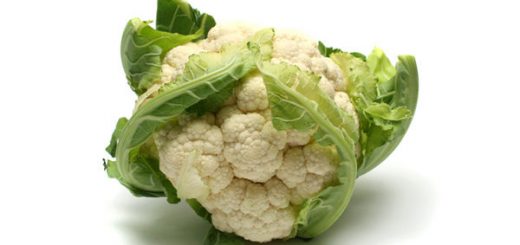
- Vegetables : Beets, broccoli, artichokes, cardoons, carrots, cabbage, cauliflower, chickpeas, chicory, onion, chives, beans, fennel, lettuce, lentils, potatoes, peas, leeks, radicchio, turnips, shallots, spinach, Jerusalem artichoke, pumpkin .
FEBRUARY
- Fruit : Oranges, clementines, mandarins, lemons, citrons, grapefruits, kiwis, apples and pears.
- Vegetables : Beets, broccoli, artichokes, cardoons, carrots, cabbage, cauliflower, chickpeas, chicory, onion, chives, beans, fennel, lettuce, lentils, potatoes, peas, leeks, radicchio, turnips, shallots, celery, spinach, Jerusalem artichoke , pumpkin.
MARCH
- Fruit : Oranges, lemons, grapefruits, kiwis, apples and pears; mandarins and clementines disappear.
- Vegetables : Garlic, asparagus, chard, broccoli, artichokes, carrots, cabbage, cauliflower, chickpeas, onion, chives, beans, fennel, lettuce, lentils, potatoes, peas, leeks, radicchio, shallots, celery, spinach, Jerusalem artichoke.
APRIL
- Fruit : The fruits of March remain: oranges, lemons, grapefruits, kiwis, apples and pears; the first strawberries and medlars appear.
- Vegetables : Garlic, asparagus, chard, artichokes, carrots, cabbage, cauliflower, chickpeas, onion, chives, beans, broad beans, fennel, lettuce, lentils, potatoes, peas, leeks, radicchio, shallots, celery, spinach, Jerusalem artichoke
MAY
- Fruit : The first cherries, melons and raspberries arrive, as well as strawberries, kiwis, apples, medlars, pears and grapefruits.
- Vegetables : The season of tomatoes, radishes and green beans begins, garlic, asparagus, chard, carrots, chickpeas, onions, chives, beans, broad beans, fennel, lettuce, lentils, potatoes, peas, shallots and celery remain, spinach ends.
JUNE
- Fruit : The summer season begins and brings with it: apricots, figs, peaches and plums, while cherries and strawberries, melons and raspberries remain.
- Vegetables : Artichokes, cucumbers, aubergines, peppers and courgettes appear. That leaves garlic, beets, carrots, chickpeas, onions, chives, beans, green beans, broad beans, lettuce, lentils, potatoes, peas, tomatoes, radishes, shallots and celery.
JULY
- Fruit : The season of watermelon, blueberries and plums arrives, apricots, cherries, figs, strawberries, raspberries, melons, peaches and plums continue.
- Vegetables : Garlic, beets, carrots, chickpeas, cucumbers, onions, chives, beans, green beans, broad beans, lettuce, lentils, aubergines, potatoes, peppers, peas, tomatoes, radishes, shallots, celery and courgettes.
AUGUST
- Fruit : Grapes appear, the first pears and apples return and apricots and cherries disappear, leaving watermelon, figs, strawberries, raspberries, melons, blueberries, peaches, plums and plums.
- Vegetables : Pumpkin is back, broad beans are out. That leaves garlic, chard, carrots, cabbage, chickpeas, cucumbers, onion, chives, beans, green beans, lettuce, lentils, aubergines, potatoes, peppers, peas, tomatoes, radishes, shallots, celery and courgettes.
SEPTEMBER
- Fruit : Stop with watermelons and strawberries, here come persimmons which accompany figs, raspberries, apples, melons, blueberries, pears, peaches, plums, plums and grapes.
- Vegetables : Broccoli and spinach reappear, garlic, chard, carrots, cabbage, chickpeas, cucumbers, onion, chives, beans, green beans, lettuce, lentils, aubergines, potatoes, peppers, peas, tomatoes, radishes, shallots, celery and pumpkin remain and courgettes.
OCTOBER
- Fruit : The chestnuts and the first clementines arrive, the summer fruit ends and persimmons, raspberries, apples, pears and grapes remain.
- Vegetables : No more courgettes, tomatoes or cucumbers, in October we find garlic, chard, broccoli, carrots, cabbage, cauliflower, chickpeas, onion, chives, beans, green beans, fennel, lettuce, lentils, aubergines, potatoes, peppers, peas, leek, radicchio, shallot, celery, spinach, Jerusalem artichoke and pumpkin.
NOVEMBER
- Fruit : Oranges, chestnuts, clementines, persimmons, kiwis, lemons, mandarins, apples, pears, grapefruits and grapes.
- Vegetables : The last peppers and aubergines are also finished, in November the garden offers only: garlic, chard, broccoli, artichokes, thistles, carrots, cabbage, cauliflower, chickpeas, onion, chives, beans, fennel, lettuce, lentils, potatoes , peas, leek, radicchio, shallot, celery, spinach, Jerusalem artichoke and pumpkin.
DECEMBER
- Fruit : As in November we find oranges, chestnuts, clementines, persimmons, kiwis, lemons, mandarins, apples, pears, grapefruits and grapes.
- Vegetables : In the last month of the year we no longer have celery and garlic, what remains are: beets, broccoli, artichokes, cardoons, carrots, cabbage, cauliflower, chickpeas, onion, chives, beans, fennel, lettuce, lentils, potatoes, peas, leek, radicchio, shallot, spinach, Jerusalem artichoke and pumpkin.