Flaxseed: healthy or not?

Do you want to know how healthy flaxseed is? Read more on this page. We discuss the health of flaxseed, the best types (broken or whole?) and the optimal amount. Discover everything about flaxseed and its benefits!
What is Flaxseed?
Flax seeds are the edible seeds of the flax plant. The flax plant belongs to the flax family (Linaceae) and is one of the oldest fiber crops in the world. This plant is also used to make paper and linen.
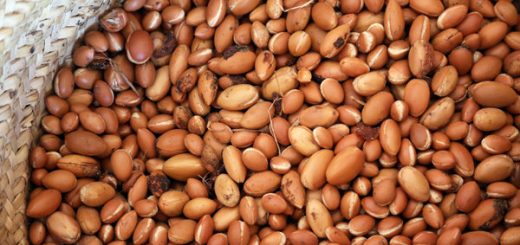
There is yellow linseed (also called gold or blond linseed) and brown linseed. In terms of health benefits and nutritional values, the two are very similar. The light variant has a nutty taste just like the brown variant, but is slightly milder.
And is it healthy (or not)?
Nice bit of background information, but you are of course here because you want to know whether linseed is healthy. We can be brief about this: flaxseed is healthy and can have a positive influence on your health.
The seed is packed with vitamins, minerals, dietary fiber and important fatty acids. To better understand how healthy linseed is, let’s first take a closer look at its nutritional value.
RESUME
Linseed is also called flax seed and is healthy. It contains many good nutrients.
Nutritional Value of Flaxseed
You have to eat quite a bit of flaxseed to get 100 grams. That is why we mention the nutritional value of linseed per tablespoon (approx. 10 grams).
| Energy | 47.7 kcal |
| Fat Of which saturated fat | 3.1 grams0.3 grams |
| Carbohydrates | 1.3 grams |
| Sugars | 0 grams |
| Fibers | 3.5 grams |
| Egg white | 1.9 grams |
| Salty | 0 grams |
As you can see, flaxseed is rich in healthy nutrients, such as unsaturated fats, proteins and dietary fiber. That is also a reason that flax seed is healthy.
In addition, 10 grams of linseed contains quite a lot of vitamins and minerals. It contains a lot of vitamin E and various B vitamins.
A spoonful of flaxseed covers ten percent of the recommended daily amount of vitamin B1 (thiamine). B1 is necessary for the proper functioning of your heart muscle, brain and nervous system.
In addition, flaxseed contains many minerals such as calcium, sodium, magnesium, selenium, copper and zinc. What is striking is the large amount of potassium (7.2 milligrams per 10 grams) and phosphorus (6.6 mg per 10 grams).
According to Wageningen University & Research, phosphorus is one of the most important elements for all life on earth. It is necessary for energy transfer between cells and for growth and development.
As you can see, flaxseed does not contain sugar. So it fits perfectly into a low-carb diet.
Because flaxseed is gluten-free, it also fits into a gluten-free diet. But what is the tiny little seed good for and how do you use it in your diet?
RESUME
A tablespoon of flaxseed contains many vitamins and minerals. It is also a good source of protein and healthy fats.
Health Benefits of Flaxseed
For such a small seed, the list of nutrients it contains is impressive. The seed is remarkably great when it comes to positive effects on your health. We list the most striking health benefits for you.
Rich in omega 3
It is now clear that flaxseed is a good source of vitamins and minerals. But flax seed is also one of the most important plant sources of alpha-linolenic acid (ALA). This is an essential omega-3 fatty acid. Studies show evidence that it reduces the risk of stroke or heart disease.
Your body converts ALA into the fatty acids eicosapentaenoic acid (EPA) and docosahexaenoic acid (DHA).
These fatty acids have anti-inflammatory properties and are said to be good for your immune system and the brain. It is difficult to get enough omega-3 fatty acids from plant sources.
Taking algae oil or fish oil can therefore be a good addition. It is not yet fully known whether the positive effects of oily fish are due to omega 3 or (also) due to other substances in fish. You can read more about it in our article ‘ fish oil healthy ‘.
It is sometimes said that golden linseed is healthier than brown flaxseed, but this claim does not seem to be entirely true. Blonde linseed contains less ALA than the brown variety.
RESUME
Flaxseed is a good plant-based source of omega-3 fatty acids, especially ALA. It can help prevent cardiovascular disease. Although brown linseed contains more ALA than blond, it is still good to alternate with other sources such as algae or fish oil.
Helps with constipation
Flaxseed is a partner in crime for many when it comes to intestinal problems. It contains both soluble and insoluble fiber and can thus promote healthy bowel movements.
Research shows that participants with constipation who ate linseed (ten grams) every day for three months had fewer complaints.
It is striking that linseed helps with constipation, but also with diarrhea. The soluble fiber in flaxseed softens stools, while the insoluble fiber adds bulk. This causes stool to move faster through your intestines.
Due to the large amount of dietary fiber, flaxseed can absorb up to four times its own weight in moisture. It fills your intestines with fluid. This stimulates the passage through the digestive tract.
However, it varies per person whether flaxseed actually helps with intestinal problems. Please note: you must choose the broken variant.
At the same time, flaxseed provides a feeling of satiety. This would promote weight loss.
RESUME
Flaxseed can help with intestinal problems, such as constipation and diarrhea, thanks to its soluble and insoluble fiber. It works best if you use crushed flaxseed, but the effect varies per person.
Good for blood pressure and blood sugar levels
Another health benefit of flaxseed is that it can help reduce bad cholesterol (LDL cholesterol). An increased LDL cholesterol, especially in combination with a reduced HDL, is unfavorable for the risk of cardiovascular disease.
In addition, flaxseed is known for its antihypertensive properties. This is probably due to the large amount of fiber and the magnesium contained in the small seeds.
The high fiber content is also said to help keep blood sugar levels more stable.
Flaxseed oil is also healthy, but because it does not contain fiber, it does not have a possible beneficial effect on blood sugar levels. However, linseed oil contains more ALA than the seeds themselves.
RESUME
Flaxseed can lower bad cholesterol, lower blood pressure and keep blood sugar levels stable.
Contains many lignans
Hands up if you immediately thought of iguanas. We do. But of course that is not possible, such a large lizard in such a small seed. However, you should not underestimate lignans either. These natural, plant-based substances are said to have a protective effect.
Studies on animals even show a protective effect against cancer and other Western diseases.
The results are promising, but more research is needed to determine the beneficial effect of linseed and lignans on humans.
RESUME
Lignans in flaxseed are plant compounds that may have protective effects, such as preventing cancer and other diseases. More research is needed to confirm the effects on humans.
Flaxseed healthy for women
We are absolutely in favor of gender neutrality and want to be as inclusive as possible. Yet a woman’s body is naturally different from a man’s body.
Flaxseed therefore has different health effects on a woman’s body than on a man’s body. That is why we will discuss this specifically.
We talked about lignans earlier. This substance falls under the so-called phytoestrogens. Research shows that lignans can reduce the risk of developing breast and uterine cancer.
In addition, the intake of flaxseed is said to reduce hot flashes during menopause and other complaints surrounding menopause.
And for men?
Flaxseed is also healthy for men. This is generally true because of all the health benefits the seed has, but there is more. Lignans not only influence the female, but also the male sex hormone.
About 90 percent of all prostate cancers are hormone sensitive. A small study from Duke University Medical Center found evidence that flaxseed may slow the growth of prostate tumors.
RESUME
Flaxseed is healthy for women and men. The lignans from the seed appear to have a positive influence on hormone-sensitive tumors. Flax seed is also said to help with menopausal complaints.
Ground, broken or whole
You can buy different types of flaxseed. Broken linseed, whole linseed and ground linseed are available. But which flaxseed is the best? We can be brief about that. It is best to use broken flaxseed.
If you eat flaxseed whole, it leaves your body undigested. It may affect your bowel movements, but your body cannot absorb the nutrients properly.
That is why broken flaxseed is healthier. Because broken linseed spoils more quickly, it is best to buy whole linseed and break it yourself – in a coffee grinder or with a mortar.
This way you can optimally benefit from the health benefits.
Despite the fact that flax seed is healthy, you sometimes hear stories from people who claim that flax seed is dangerous.
Flaxseed contains cyanogens: a substance that is converted by your body into the toxic substance cyanide (prussic acid). The finer the linseed, the better your body can absorb the cyanogens. So be careful with ground linseed.
RESUME
It is best to grind flax seed yourself. Flax seed contains cyanogens, a substance that can be converted by the body into the toxin cyanide. The finer the flax seed is ground, the better the cyanogens are absorbed.
How much flaxseed is healthy?
Despite the fact that flaxseed is healthy, it is better not to eat too much of it. Because linseed contains cyanogens, the Nutrition Center recommends using no more than 15 to 45 grams of broken flaxseed per day.
The Nutrition Center also recommends not using flaxseed indefinitely. This advice is precautionary. It is difficult to give concrete advice here. If you use smaller amounts, this probably won’t cause any problems (even if you do it for more than a few weeks or months).
If you use 45 grams per day (which amounts to 4.5 large tablespoons) it is better to spread this over the day.
You sometimes hear that it is better not to take flaxseed if you are pregnant or breastfeeding, because linseed could imitate the effect of estrogen.
There is currently insufficient evidence that flaxseed does indeed affect your hormones.
There are also indications that flaxseed can be healthy during pregnancy, for example because it supports blood formation. To be sure, always consult your midwife.
Also be careful if you take medication. Flax seed may affect the effect of certain medications (such as blood thinners).
RESUME
Don’t eat too much flaxseed, because it contains cyanogens. The Nutrition Center recommends using a maximum of 15-45 grams of broken linseed daily. Consult your midwife if you are pregnant or breastfeeding.
Side Effects of Flaxseed
Flax seed contains phytic acid. This acid can reduce the absorption of certain minerals (such as zinc and iron). That is why the acid is also called an antinutrient. If you have an iron deficiency, you should be careful with phytic acids.
If you are healthy, flaxseed is not dangerous. But if you don’t normally eat a lot of fiber, eating flaxseed can cause side effects. This mainly concerns digestive problems, such as bloating, nausea and flatulence.
Flaxseed can also cause constipation. Do you have these complaints? Then stop using flaxseed.
If you eat little fiber and want to add flaxseed to your diet, it is best to build up slowly to prevent complaints. Also drink plenty of water to avoid constipation.
RESUME
Flaxseed contains phytic acid, which can reduce the absorption of certain minerals. If you don’t normally eat a lot of fiber, flaxseed can cause digestive problems. Build up use slowly and drink enough water to prevent complaints.
Flaxseed healthy, conclusion
Flax seed is healthy and contains important nutrients. Flaxseed fits perfectly into a healthy diet. Sprinkle some (broken) flaxseed in the yoghurt or take a flaxseed cracker.
Eating flax seeds is an excellent way to get more fiber in a natural way and improve your bowel movements. It might even help you lose weight. The seeds contain a substance that could potentially become dangerous. Don’t overdo the use and listen to your body.