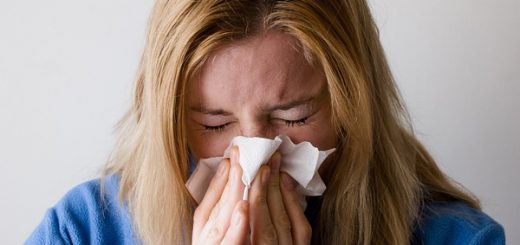
Germs, that is, microorganisms and humans, often live in contact in daily life. Most microbes do not harm human health, but some microbes enter the body and cause infection in various parts of the body as a result of various reactions. Infectious diseases occur as a result of microorganisms such as viruses, parasites, bacteria and fungi entering the body and causing damage.
What are the Symptoms and Treatments of Viral Infection?
Germs, that is, microorganisms and humans, often live in contact in daily life. Most microbes do not harm human health, but some microbes enter the body and cause infection in various parts of the body as a result of various reactions. Infectious diseases occur as a result of microorganisms such as viruses, parasites, bacteria and fungi entering the body and causing damage.
What is Viral Infection?
Viral infection is a health problem that occurs as a result of viruses entering the body. Viruses are microscopic creatures and they need a host such as a human, animal or plant to survive. Viruses have a protective envelope-like sheath outside them, and they carry genetic material such as RNA and DNA inside this sheath. However, viruses do not have cells, which shows that they do not have the ability to reproduce on their own and need an intermediary such as a human cell to reproduce. Once viruses enter the human body, they take over cells to multiply. In most cases, the human immune system can fight these foreign pathogens from outside. Viral infection may occur as a result of viruses trying to copy and multiply more after entering the body, and the immune system begins to defend itself. Any part of the body, especially the respiratory system and digestive system, can be affected by infections caused by viruses. The main infectious diseases caused by viruses can be listed as follows:
- chickenpox ,
- Coronavirus (Covid-19),
- dengue fever,
- Hand, foot and mouth disease ,
- Hepatitis A , B and C ,
- HIV ,
- Flu (Influenza),
- measles ,
- meningitis ,
- mumps ,
- rotavirus ,
- Cold
Viruses that choose humans as hosts enter the body through various ways. The main ways viruses enter the human body are as follows:
- One of the main ways viruses enter the human body, especially the types that affect the respiratory tract, is droplet infection. Viruses such as influenza can enter the body through inhalation of virus-containing droplets in the air.
- Consuming food and beverages contaminated with viruses excreted through feces may cause the virus to enter the body.
- Some viruses can also enter the body through the skin.
- The main way of transmission of viruses such as HIV and HPV is sexually.
What are the symptoms of viral infection?
Symptoms of viral infection vary depending on factors such as the way the virus enters the body, the person’s immune system, and age. Additionally, after a virus enters the host, symptoms of disease may not always be observed. For example, adults with a well-functioning immune system may not have any symptoms in case of viral infection. However, since babies’ immune systems are not yet fully developed, symptoms such as sudden onset of high fever and restlessness may be encountered more frequently in cases of viral infection. The main symptoms that can be seen in case of viral infection are as follows:
- High fever,
- Muscle and joint pain,
- Headache,
- Fatigue and weakness,
- Cough,
- Sneeze,
- Nausea and/or vomiting,
- Diarrhea,
- Rash, redness, itching depending on the type of virus
Additionally, symptoms such as confusion may also occur in viral infectious diseases such as meningitis.
Seasonal Viral Infectious Diseases
The relationship between viral infections and seasons has been one of the topics that has been researched for many years. Viral infectious diseases such as cold and flu are more common in some periods. Viral infectious diseases that are more common in some seasons are as follows:
- Flu: Seasonal flu is a contagious viral infection that is common from late autumn to spring. Flu, which manifests itself with complaints such as sudden onset of fever, muscle and joint pain, cough, runny nose and nasal congestion, and severe weakness, is caused by influenza viruses. The main way flu is transmitted is through inhalation of droplets spread around when a sick person coughs and sneezes. Seasonal flu is more common, especially in the winter months when the weather is colder, due to reasons such as spending more time indoors.
- Flu (common cold): Commonly thought to be due to cold, the common cold is a viral infectious disease caused by various viruses such as rhinovirus and parainfluenza. Colds are more common, especially in autumn and winter.
Viral infectious diseases, especially those affecting the upper respiratory tract, generally increase in autumn and winter when the weather is cold, due to more time spent indoors. Therefore, taking care to wear a mask and avoid close contact with people when being in closed environments, especially during the winter months, can help prevent the spread of diseases.
How to Treat Viral Infections?
Treatment of viral infectious diseases varies depending on the virus causing the disease and the severity of the disease. In viral infectious diseases such as the common cold, treating the symptoms can often help the healing process go more smoothly. In addition, today antiviral drugs can be used in the treatment of some viral infectious diseases. Each of these drugs is usually formulated specifically for a virus. In other words, the drug that neutralizes one virus often does not affect the other virus. Today, there are antiviral drugs used in the treatment of viral infections such as flu, Covid-19 and Hepatitis B. In addition to drug therapy, blood plasma therapy can also be used in some cases. For plasma treatment, blood is taken from someone who was previously infected with the same virus and recovered and given to the sick person. Antibodies in the plasma can help introduce the virus to the immune system of the sick person, thus helping the person develop passive immunity.
Recommendations to Protect from Viral Infections
Depending on the type of virus causing the viral infection, the methods that can be applied to protect against infection may vary. Some recommendations to help get rid of viral infectious diseases are as follows:
- Today, there are various vaccines on the market against some viral infections such as influenza, HPV , chickenpox, Covid-19, Hepatitis A and B, and rotavirus. The most effective way to protect yourself from infectious diseases caused by viruses is to get vaccinated.
- Some viruses can also survive on inanimate surfaces for a while. Touching the face and eyes with hands after touching a place contaminated with the virus may cause transmission of the virus. Therefore, washing hands with soap and water, especially before meals, can help protect against viral infections.
- During periods when infectious diseases such as cold and flu increase, when it is necessary to be in closed and crowded environments, using a mask, if possible, can minimize the risk of transmission of viral infections.
Depending on the type of virus causing the viral infection, the methods that can be applied to protect against infection may vary. Some recommendations to help get rid of viral infectious diseases are as follows:
- Today, there are various vaccines on the market against some viral infections such as influenza, HPV , chickenpox, Covid-19, Hepatitis A and B, and rotavirus. The most effective way to protect yourself from infectious diseases caused by viruses is to get vaccinated.
- Some viruses can also survive on inanimate surfaces for a while. Touching the face and eyes with hands after touching a place contaminated with the virus may cause transmission of the virus. Therefore, washing hands with soap and water, especially before meals, can help protect against viral infections.
- During periods when infectious diseases such as cold and flu increase, when it is necessary to be in closed and crowded environments, using a mask, if possible, can minimize the risk of transmission of viral infections.
Frequently asked Questions
Viral infections are health problems caused by viruses. In some cases, depending on the type and characteristics of the virus causing the infection, the disease may spread over a wide geography and cause a pandemic. Some of the frequently asked questions about viral infectious diseases are evaluated below.
- How is viral infection transmitted?
Depending on the type of virus, viral infections can generally be transmitted through inhalation of droplets, consumption of food or drink contaminated with virus-containing feces, skin and sexual intercourse.
- How many days does it take to clear the viral infection?
Recovery time for viral infection varies depending on the type of virus. For example, while infectious diseases such as colds are expected to heal within an average of 7-10 days, this period may be longer for other viral infectious diseases.
- What does a viral infection mean?
Viral infection is a health problem that occurs as a result of viruses entering the body.
- How many days do viral infections last?
Viral infections heal within an average of 1-2 weeks, depending on the type of infection and factors such as the person’s immune system and age.
- Is viral infection dangerous?
Viral infections are usually not dangerous. However, in some cases, infections can reach life-threatening levels. Viral infections are health problems that affect millions of people around the world every year. While some viral infectious diseases are treated with antiviral drugs, most diseases caused by viruses have no cure. Infectious diseases caused by microorganisms such as viruses, bacteria and parasites can become life-threatening in people with weak immune systems, children and the elderly. Therefore, if you notice symptoms such as fever, cough, runny nose, nausea, do not forget to consult the nearest health institution without delay and have your check-ups.