What is Estradiol, How Much Estradiol Should It Be?
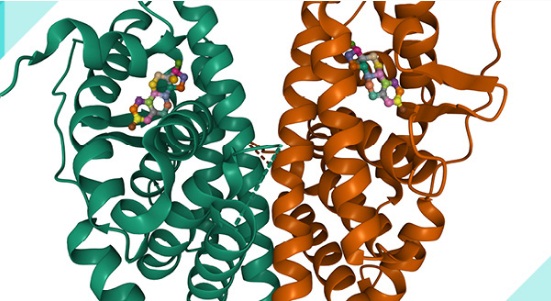
Estradiol is one of the female sex hormones called estrogen and is produced specifically in the ovaries. In addition to regulating the female reproductive system, estradiol also plays a role in bone health, skin condition and other biological processes. In men, it is also produced at lower levels by the testicles and adrenal glands.
How Much Should Estradiol Be?
Estradiol levels can vary depending on a person’s age, gender, menstrual cycle, and overall health. Therefore, determining a “normal” range for estradiol levels is difficult and may vary between laboratories and the units of measurement used. However, there are generally accepted reference ranges.
It should be noted that estradiol levels vary during different phases of the menstrual cycle. Below are general reference ranges:
- Follicular Phase (Beginning of menstrual cycle): 30-400 pg/mL
- During Ovulation: 60-600 pg/mL
- Luteal Phase (End of menstrual cycle): 20-300 pg/mL
- These values may vary depending on laboratories and measurement units used. Additionally, estradiol levels are generally lower after menopause.
It is important to consult with a healthcare professional to evaluate and interpret estradiol levels. Factors such as hormonal irregularities, pregnancy, or another health problem can cause changes in estradiol levels. Therefore, an evaluation by a healthcare professional appropriate to your specific situation is important.
How Does Estradiol E2 Value Change According to Age?
Estradiol (E2) values can vary with age and generally follow a pattern with age. However, factors such as genetic differences between individuals, lifestyle factors and health status may affect changes in these values. Below is an overview:
Childhood and Adolescence: Estradiol levels are generally low during childhood. During puberty, especially when the menstrual cycle begins, estradiol levels begin to increase.
Reproductive Age: From young adulthood to menopause, estradiol levels are generally high in women. Estradiol levels change throughout the menstrual cycle; It is high in the follicular phase, peaks during ovulation, and declines in the luteal phase.
Post-Menopause: After menopause, estrogen levels in women usually drop. After menopause, the female body produces less estrogen, and estradiol levels usually decrease markedly during this period.
Men: Estradiol levels in men are generally low but may increase with age. Especially during the aging process, estradiol levels may increase with the conversion of testosterone to estrogen.
Estradiol values may vary depending on laboratories and measurement units used. Therefore, it is important to consider the reference range of the laboratory used to evaluate a specific test result. Additionally, speaking with a healthcare professional is recommended if you have concerns about hormonal changes or symptoms.
What Causes High or Low Estradiol?
Whether estradiol levels are high or low can vary depending on a number of factors. These changes can be due to a variety of reasons, ranging from reproductive health to lifestyle factors, often affecting hormone production. Here are common causes of high and low estradiol levels:
High Estradiol Levels:
- Pregnancy: Estradiol levels may increase during pregnancy because it is produced by the placenta and plays an important role in the pregnancy process.
- Polycystic Ovary Syndrome (PCOS): PCOS is a condition that prevents follicle development in the ovaries, and in this case, estradiol levels may increase.
- Ovarian Cysts: Ovarian cysts are fluid-filled sacs that form in the ovaries, which can increase estradiol levels.
- Hormonal Therapy: Hormonal treatments, especially medications containing estrogen, can increase estradiol levels.
- Obesity: Obesity can lead to high estradiol levels because body fat tissue increases estrogen production.
Low Estradiol Levels:
- Menopause: After menopause, estradiol levels generally drop in women due to hormonal changes.
- Excessive Exercise: Excessive exercise can affect hormonal balance and cause low estradiol levels.
- Malnutrition: Malnutrition, especially low fat intake, can affect hormonal production, resulting in low estradiol levels.
- Anorexia or Heavy Dieting: Anorexia nervosa or heavy dieting can lead to hormonal imbalance by reducing body fat.
- Ovarian Failure: Ovarian failure can lead to low estradiol levels due to low estrogen production by the ovaries.
In either case, changes in estradiol levels usually require evaluation from a healthcare professional. Because hormonal balance is regulated in a complex way depending on a number of factors.
What are the Symptoms of High Estradiol?
High estradiol levels can cause irregularities in the menstrual cycle or excessive bleeding. Other symptoms of high estradiol are as follows:
Increase in Breast Sensitivity and Size: Under the influence of estrogen, breast tissue may become sensitive and enlarge.
Water Retention and Bloating: High estrogen levels can lead to water retention in the body, which is often associated with feelings of bloating.
Headache or Migraine: High estradiol levels can trigger headache or migraine attacks.
Mood Changes: High estrogen can cause mood changes, such as emotional fluctuations, tension, or irritability.
Skin Problems: Acne, oily skin, or other changes in the skin may be associated with high estradiol levels.
Immune System Weakness: High estrogen levels can affect the normal functioning of the immune system and reduce resistance to infections.
Other Hormonal Imbalances: High estradiol can affect the balance of other hormones, especially by causing a decrease in progesterone levels, leading to hormonal imbalance.
These symptoms may reflect conditions that may be generally associated with high estradiol levels, but each case is different. If you are concerned about high estradiol levels or if symptoms persist, it is important to see a healthcare professional. A specialist can help evaluate hormonal balance and determine appropriate treatment.
What are the Symptoms of Low Estradiol?
Low estradiol levels can indicate hormonal imbalance and cause a variety of symptoms. However, since each individual’s body structure is different, symptoms may vary from person to person. Potential symptoms that may be associated with low estradiol levels may include:
Menstrual Irregularities: Low estradiol can cause irregularities in the menstrual cycle or light or extremely low bleeding.
Decreased Sexual Desire: Low estrogen levels can reduce sexual desire and lead to sexual health problems such as vaginal dryness.
Vaginal Dryness: Low estradiol levels can cause dryness and irritation in vaginal tissues.
Fatigue and Loss of Energy: Hormonal imbalances can cause decreased energy levels and general fatigue.
Hot Flashes: Low estrogen levels after menopause can trigger hot flashes.
Bone Loss: Low estradiol levels can reduce bone density and increase the risk of osteoporosis.
Sleep Problems: Hormonal imbalances, especially estrogen deficiency, can affect sleep quality.
Depression and Emotional Changes: Low estradiol levels can cause depression, anxiety, or emotional swings.
Headaches: Headaches and migraine attacks may be associated with low estradiol levels.
If you are concerned about low estradiol levels or if symptoms persist, it is important to see a healthcare professional. A specialist can help evaluate hormonal balance and determine appropriate treatment.
What are Estrogen Rich Foods?
Estrogen is a hormone that plays an important role in reproductive health, bone health and other biological processes, especially in women. Diet can affect estrogen levels in the body. Here are the foods rich in estrogen:
Onions and Garlic: Onions and garlic contain flavonoids that may increase estrogen levels.
Dried Fruits: Dried fruits, especially raisins and dates, may contain estrogen-containing plant compounds.
Soy and Soy Products: Soy contains phytoestrogens, which are plant estrogens. Soy products such as tofu, soybeans, and soy milk may contain estrogen-like components.
Legumes: Legumes such as chickpeas, lentils and beans contain phytoestrogens.
Asparagus: Asparagus is a vegetable that naturally contains estrogen.
Apples and Apple Juice: Apples and apple juice may contain estrogen-like components.
Nuts and Seeds: Flaxseeds, sesame seeds, and sunflower seeds, in particular, may be rich in phytoestrogens.
Pumpkin and Pumpkin Seeds: Pumpkin and pumpkin seeds may be among the foods containing estrogen.
Olives and Olive Oil: Olives and olive oil may contain estrogen-like compounds.
Red Berries: Red berries such as strawberries, raspberries, and blueberries contain flavonoids that may contain estrogen.
Since the estrogen content of foods is generally low, it should not be used directly as an estrogen supplement. However, a balanced diet and a healthy lifestyle can support hormonal health. If you have nutritional concerns or have a special condition, seeing a healthcare professional is your best option.