Cholesterol

Cholesterol. Main sterol of the human body. Sterols are a type of natural fats present in the body. Cholesterol is found in our body as part of cell membranes, lipoproteins, bile acids and steroid hormones.
Summary
[ disguise ]
- 1 Origin
- 2 Functions of cholesterol
- 3 Levels
- 4 Measures to lower cholesterol
- 5 Sources
Origin
The origin of cholesterol in the body has two sources, the external one that comes from the diet and the internal one that is produced by the body itself. Because the body can produce its own cholesterol, there is a possibility that people who do not consume excess cholesterol may have high blood levels due to having some genetic-metabolic disorder that leads to said elevation.
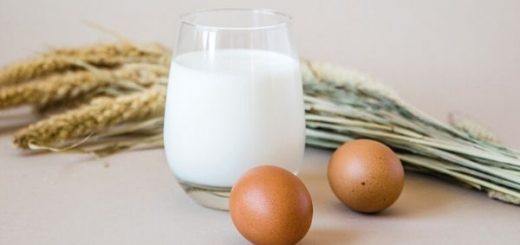
Foods derived from animals are rich in cholesterol, especially eggs, dairy products and meats. The body absorbs approximately half of the cholesterol contained in the diet. Plant sterols are poorly absorbed by the body.
The liver is the main organ that produces cholesterol (10% of the total), with other important organs in production being the intestine, adrenal cortex, testicles and ovaries. Cholesterol synthesis is regulated primarily by dietary cholesterol intake.
Cholesterol functions
Cholesterol, contrary to its popular image as a powerful enemy of health and longevity, is actually a crucial substance that performs countless vital functions for the body. Cholesterol is essential for animal life due to its numerous functions:
- Structural: cholesterol is a very important component of the plasma membranes of animals (in general, it does not exist in plants). Although cholesterol is found in small amounts in cell membranes, in the cytoplasmic membrane we find it in a 1:1 molar proportion in relation to phospholipids, regulating its physicochemical properties, particularly fluidity. However, cholesterol is found in very low proportion or is practically absent in subcellular membranes.
- Precursor of vitamin D: essential in calciummetabolism .
- Precursor of sex hormones: progesterone, estrogen and testosterone .
- Precursor of corticosteroid hormones: cortisol and aldosterone.
- Precursor of bile salts: essential in the absorption of some lipid nutrients and *main route for the excretion of body cholesterol.
- Precursor of lipid rafts.
Levels
A blood cholesterol level greater than 200 mg/dl endangers the heart and can seriously damage the arteries , which favors the appearance of atherosclerosis , a disease that in the long term can cause a heart attack.
Measuring total cholesterol alone has limited value. However, when it is measured in conjunction with the different lipoproteins, especially LDL cholesterol and HDL cholesterol, it offers a broader picture of the probability of atheroma production and therefore the risk of coronary artery diseases.
Normal blood cholesterol levels vary with the population and usually increase with age. Therefore, although blood fats can be considered normal levels, it is better to use the recommended levels since these do indicate the risk of atherosclerosis. As mentioned, there are several types of hyperlipidemia (increase in body fats such as cholesterol and triglycerides ) that are important to diagnose, especially in children and young people, since their circulating cholesterol levels are very high and therefore the risks are high, especially in types II and III. In addition, there are many environmental factors such as diet and smoking that also affect blood lipid ( fat ) levels .
Measures to lower cholesterol
- Reduce consumption of foods that are sources of cholesterol. Example: pork, organ meats, sausages of all kinds, seafood (especially shrimp), beef skins, chicken skin, egg yolk, whole milk, processed yellow cheeses, butter, custard, cream cheese and lard.
- Limit egg consumption. It is best to reduce it to a maximum of 2 units per week.
- Prefer low-fat foods. They are a source of nutrients and very low in cholesterol, such as lean beef, skinless chicken, tuna in water, fish, skim milk and cheese, and low-fat yogurt.
- Look for healthy alternatives. There is currently a margarine on the market made from vegetable stanol esters, substances capable of reducing blood cholesterol levels, according to several studies.
- Change the way you cook. Cook meats and dishes in the oven, grill, grill, steam, boil, avoid frying or breading. Use cooking spray, soybean, sunflower, corn or olive oil sparingly.
- Increase fiber consumption: Fiber is a component of many foods that contributes to significantly reducing cholesterol levels. Find it in whole grains, oat bran, wheat germ, whole oats, whole wheat bread and brown rice, beans, lentils, chickpeas.
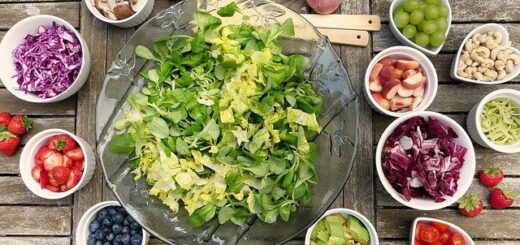
- Eat at least 3 fruits during the day and vegetables: at lunch and dinner, because they are a good source of fiber. Fruits rich in fiber are those eaten with peel (apples, pears), with tow (oranges, sweet lemon, tangerines), with fibrils (mango, pineapple) or with seeds (guavas, passion fruit).
- Drink at least 8 glasses of water and liquids(tea, soups, juices and natural, unprocessed fresh drinks), as water contributes to the mobilization of body fat.
- Avoid alcoholic beverages.Alcohol contributes to raising cholesterol levels, however, in numerous studies it has been seen that ingesting 1 to 2 glasses of red wine a day produces a slight increase in HDL and prevents heart attack. Of course, don’t abuse it either!
- Exercise.It has been seen that apart from improving physical and cardiorespiratory fitness, exercise keeps both weight and blood fat levels under control. In addition, it helps increase HDL levels.